How to Achieve Deep Financial Freedom: A Step-by-Step Guide
In a world where financial uncertainty is a constant, the pursuit of deep financial freedom has become more than just a goal—it's a necessity. For many, it’s not about having endless wealth, but rather about having enough to live according to their core values and priorities. This isn't just a dream; it's a tangible path that anyone can take with the right mindset, tools, and strategies. Whether you're in your 20s or preparing for retirement, achieving deep financial freedom is within reach.
Understanding Deep Financial Freedom

Deep financial freedom isn't about becoming a billionaire or living in luxury. It's about having the ability to make choices that align with your values, without the stress of financial constraints. For some, this means being able to spend time with family, travel, or pursue passions. For others, it might mean having the flexibility to work on their own terms or support causes they care about.
The key to this kind of freedom lies in building a solid financial foundation. It starts with understanding your current financial situation, setting clear goals, and developing a plan that allows you to grow your wealth over time. But it also requires a shift in mindset—moving from a place of scarcity to one of abundance, where you believe that you have the power to shape your financial future.
The Path to Deep Financial Freedom
1. Live Below Your Means
One of the most fundamental steps in achieving financial freedom is learning to live below your means. This doesn’t mean you have to be frugal to the point of deprivation, but rather that you should ensure that your expenses are always less than your income.
This principle is echoed in the words of Benjamin Franklin, who once said, "Make no expense, but to do good to others or yourself." Frugality isn't about sacrifice; it's about making intentional choices that allow you to save and invest for the future. By consistently spending less than you earn, you create the space to build wealth, whether through investments, savings, or other financial vehicles.
2. Build an Emergency Fund
No matter how well you plan, unexpected expenses will arise. That’s why building an emergency fund is essential. Aim to save at least three to six months' worth of living expenses in a liquid account, such as a high-yield savings account. This fund acts as a safety net, allowing you to handle emergencies without relying on credit cards or loans.
In 2025, with inflation still a concern, having a robust emergency fund is more important than ever. It gives you peace of mind and the freedom to make decisions based on your values rather than financial pressure.
3. Invest Wisely
Investing is one of the most powerful tools for building long-term wealth. Whether you're investing in stocks, real estate, or retirement accounts, the key is to start early and stay consistent. Compound interest works best when you give it time to grow.
For example, if you start investing $500 a month at age 30, assuming an average annual return of 7%, you could have over $1 million by the time you retire at 65. This is the power of compounding, and it’s one of the reasons why many financial experts emphasize starting early.
4. Pay Off High-Interest Debt

High-interest debt, such as credit card debt, can severely hinder your path to financial freedom. These debts often carry rates above 15%, which can quickly eat into your savings and prevent you from growing your wealth.
A common strategy for tackling this is the debt avalanche method, where you focus on paying off the debt with the highest interest rate first while making minimum payments on others. Alternatively, the debt snowball method focuses on paying off smaller debts first to build momentum. Both approaches can be effective, depending on your personality and financial situation.
5. Plan for Retirement
Retirement planning is a critical component of deep financial freedom. With life expectancy increasing and traditional pensions becoming less common, it's more important than ever to take control of your retirement savings.
Consider contributing to employer-sponsored plans like 401(k)s or IRAs, and explore other options such as Roth IRAs or index funds. Diversifying your retirement portfolio helps mitigate risk and ensures that you have multiple sources of income in your later years.
6. Continuously Educate Yourself
Financial freedom isn't a destination; it's a journey that requires ongoing learning and adaptation. Stay informed about personal finance, investment strategies, and economic trends. Read books, listen to podcasts, and follow reputable financial advisors to stay ahead of the curve.
One of the most valuable lessons from the podcast Rule Breaker Investing is the importance of lifelong learning. As David Gardner emphasizes, "Financial freedom is not something you achieve once and then forget. It's something you build and maintain every day."
Common Questions and Practical Insights
Q: How much money do I need to achieve financial freedom?
A: There's no one-size-fits-all answer. It depends on your lifestyle, goals, and location. However, a general rule of thumb is to aim for a net worth that covers your annual expenses multiplied by 25. This is known as the "4% rule," which suggests that you can safely withdraw 4% of your portfolio each year without running out of money.
Q: Can I achieve financial freedom without a high income?
A: Absolutely. Financial freedom is more about how you manage your money than how much you earn. Even with a modest income, you can build wealth by saving, investing, and making smart financial decisions.
Q: What if I'm already in debt?
A: Debt doesn't have to be a barrier to financial freedom. Start by creating a budget, prioritizing high-interest debt, and gradually working your way toward financial stability. Every step you take to reduce debt brings you closer to freedom.
Conclusion
Achieving deep financial freedom is not about perfection—it's about progress. It's about making choices that align with your values, building a strong financial foundation, and staying committed to your goals. Whether you're just starting out or looking to refine your strategy, the path to financial freedom is within your reach.
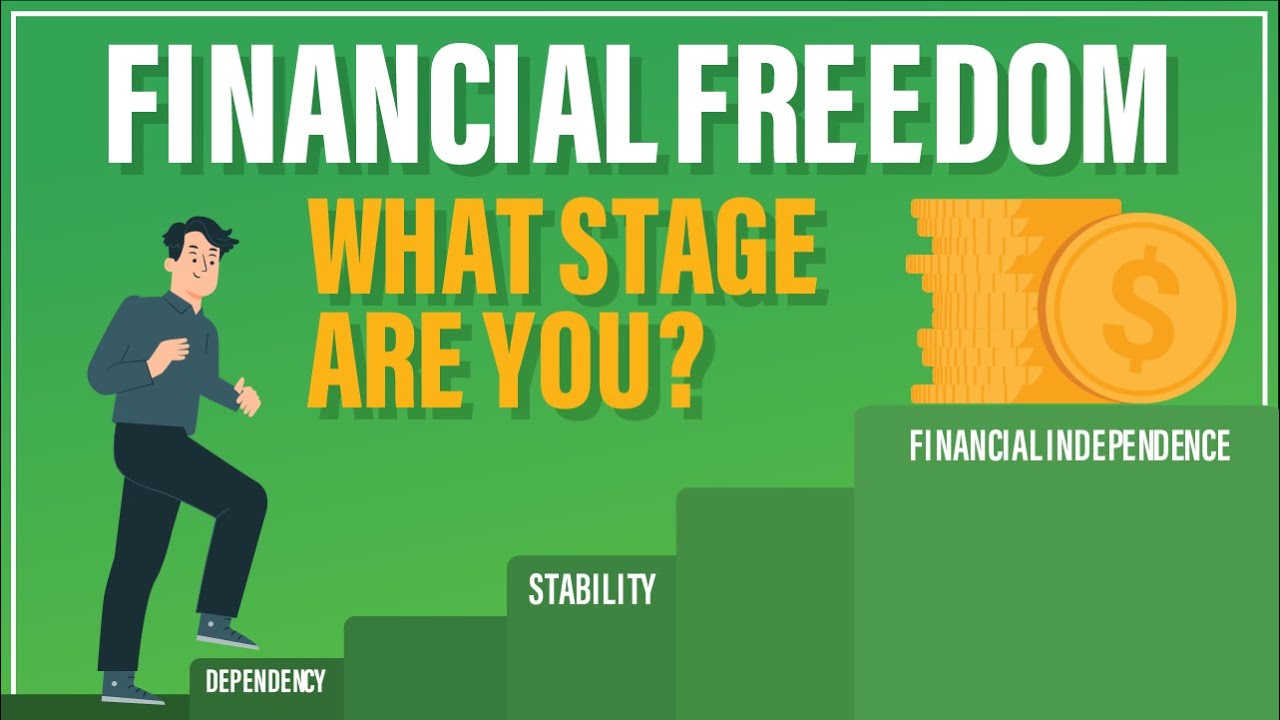
By living below your means, investing wisely, and continuously educating yourself, you can create a life of true financial independence. Remember, financial freedom is not just about money—it's about the ability to live the life you want, on your terms. So take the first step today, and watch as your financial future unfolds.

Post a Comment for "How to Achieve Deep Financial Freedom: A Step-by-Step Guide"
Post a Comment