How to Accelerate Your Path to Affluence: Proven Strategies for Financial Success
In a world where financial stability is increasingly vital, the pursuit of affluence has never been more relevant. The journey to wealth isn’t just about earning money—it’s about creating a sustainable, long-term strategy that allows you to grow your resources and achieve financial freedom. With the right mindset, tools, and habits, you can accelerate your path to affluence in 2025 and beyond. This article explores actionable strategies to help you build lasting wealth.
The Foundation of Financial Success

Financial success isn’t a matter of luck or inheritance—it’s built on consistent effort, discipline, and smart decision-making. Just as businesses require planning, execution, and adaptability, so too must individuals approach their finances with a structured plan. According to a 2024 report by the Federal Reserve Bank of New York, American household debt reached $18.04 trillion, highlighting the importance of managing debt wisely. The key takeaway? A clear, intentional approach to your finances is essential.
Start by defining what affluence means to you. For some, it might mean financial independence; for others, it could be the ability to retire early or fund a dream project. Once you have a clear vision, set SMART (Specific, Measurable, Achievable, Relevant, Time-bound) goals to guide your progress.
Invest in Yourself: The Power of Continuous Learning
One of the most effective ways to accelerate your path to affluence is to invest in yourself. Whether through formal education, skill development, or personal growth, continuous learning opens doors to higher earning potential and greater opportunities.
In 2025, the demand for skilled professionals continues to rise, especially in tech, healthcare, and renewable energy sectors. Consider enrolling in online courses, attending industry conferences, or pursuing certifications that align with your career goals. For example, if you're in marketing, mastering digital analytics or AI-driven tools can significantly boost your value in the job market.
Additionally, don’t underestimate the power of soft skills. Communication, leadership, and problem-solving abilities are critical in any profession. These skills not only enhance your career prospects but also increase your ability to negotiate better salaries and secure promotions.
Manage Debt Wisely: Avoiding the Pitfalls of Consumer Debt
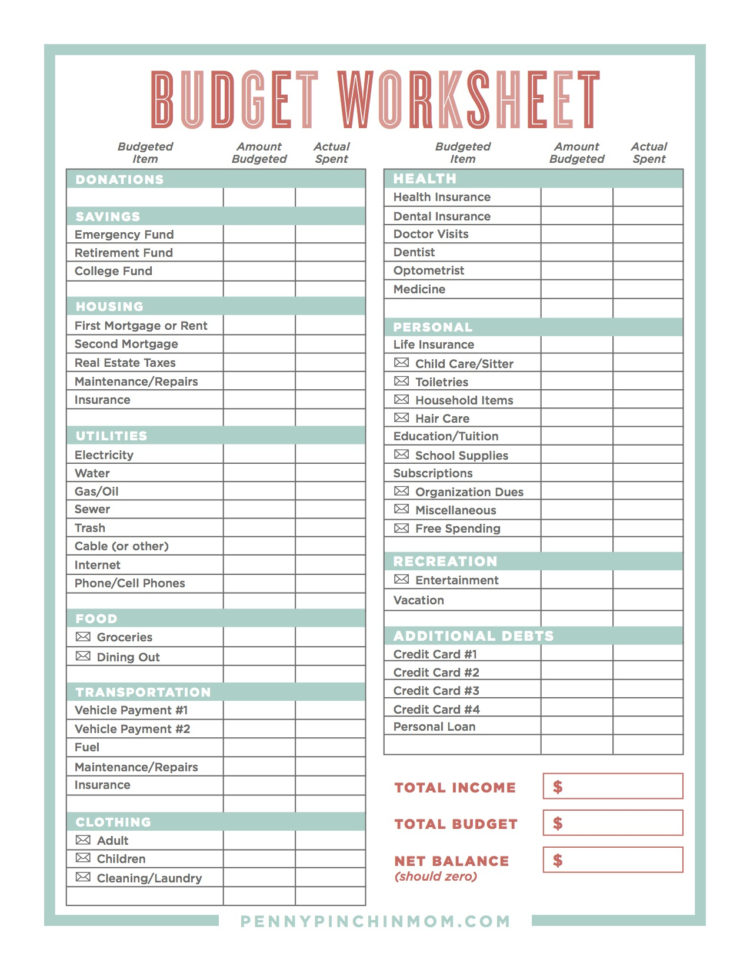
Debt can either be a tool for growth or a stumbling block to financial freedom. The key is to distinguish between productive and wasteful debt. Productive debt—such as student loans for education or mortgages for real estate investments—can lead to long-term gains. However, consumer debt like credit card balances or high-interest loans should be avoided or paid off as quickly as possible.
A 2025 survey by the National Endowment for Financial Education found that nearly 60% of Americans carry credit card debt, often due to impulsive spending. To avoid this trap, create a budget that prioritizes paying off high-interest debt first. Use the “debt snowball” or “debt avalanche” method to systematically eliminate your obligations.
Build Multiple Income Streams: Diversify Your Earnings

Relying on a single source of income is risky, especially in an unpredictable economy. By building multiple income streams, you create a safety net and increase your earning potential. This could include side gigs, passive income from investments, or even starting a small business.
For instance, many people in 2025 are leveraging the gig economy by offering freelance services, renting out property, or investing in dividend-paying stocks. If you have a skill—whether it’s writing, coding, or design—you can monetize it through platforms like Upwork or Fiverr. Additionally, consider exploring real estate investment trusts (REITs) or peer-to-peer lending as alternative income sources.
Plan for the Future: Retirement and Emergency Savings
Retirement planning is a cornerstone of long-term financial success. The earlier you start, the more time your money has to grow through compound interest. In 2025, the average retirement age is around 65, but many are choosing to retire earlier. Start by contributing to employer-sponsored plans like 401(k)s or individual retirement accounts (IRAs). Even small contributions can add up over time.
Equally important is building an emergency fund. Experts recommend saving three to six months’ worth of living expenses in a high-yield savings account. This fund acts as a financial buffer during unexpected events like job loss or medical emergencies.
Embrace Technology: Leverage Financial Tools
Technology has revolutionized the way we manage money. From budgeting apps to robo-advisors, there are countless tools to help you stay on top of your finances. Apps like Mint or YNAB (You Need A Budget) allow you to track expenses, set financial goals, and automate savings. Robo-advisors like Betterment or Wealthfront offer low-cost, automated investment options tailored to your risk tolerance.
In 2025, artificial intelligence is also playing a bigger role in personal finance. AI-powered tools can analyze your spending patterns, suggest investment opportunities, and even predict future financial needs. Embracing these technologies can give you a competitive edge in managing and growing your wealth.
Stay Patient and Persistent
Patience is one of the most underrated qualities in financial success. The compounding effect of investments can turn modest savings into substantial wealth over time. A 2025 study by the Journal of Financial Planning showed that investors who started early and remained consistent saw a 300% increase in their portfolios over 20 years.
However, patience doesn’t mean complacency. It requires ongoing monitoring, adjustment, and a willingness to learn from mistakes. Stay informed about market trends, economic shifts, and personal financial goals. Regularly review your strategy and make necessary changes to stay on track.
Common Questions and Practical Insights
Q: How do I know if I’m on the right track financially?
A: Track your progress using tools like budgeting apps or financial dashboards. Set milestones and celebrate small wins to stay motivated.
Q: What if I face setbacks?
A: Setbacks are part of the journey. Reassess your goals, adjust your strategy, and keep moving forward. Resilience is key to long-term success.
Q: Can I afford to take risks with my money?
A: Always assess your risk tolerance before making major financial decisions. Diversify your investments to minimize potential losses.
Conclusion
Accelerating your path to affluence requires a combination of strategic planning, continuous learning, and disciplined execution. By investing in yourself, managing debt wisely, building multiple income streams, and staying patient, you can create a solid foundation for long-term financial success. Remember, true affluence isn’t just about money—it’s about freedom, security, and the ability to live life on your own terms. Start today, and take the first step toward a more prosperous future.

Post a Comment for "How to Accelerate Your Path to Affluence: Proven Strategies for Financial Success"
Post a Comment