How Stock Market Gains Can Build Long-Term Wealth
In the ever-changing world of finance, the stock market offers a powerful tool for building long-term wealth. While short-term gains can be tempting, the real value often lies in strategic, patient investing. Understanding how to harness stock market gains for wealth accumulation is essential for anyone looking to secure their financial future. With the right approach, investors can turn market fluctuations into opportunities for growth.
The Power of Compounding and Long-Term Investing
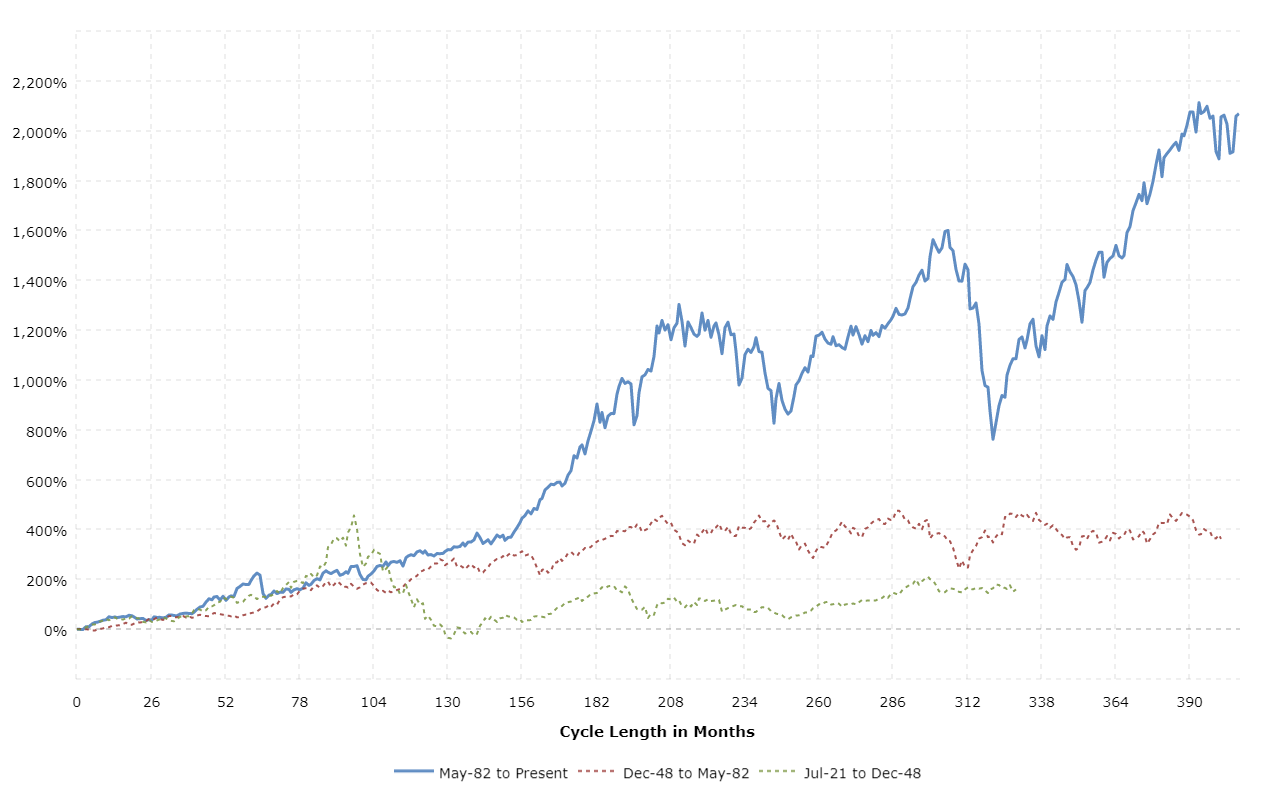
One of the most compelling reasons to focus on long-term stock market gains is the power of compounding. When you reinvest your earnings, your returns generate additional returns over time. This snowball effect can significantly boost your portfolio's value, especially when combined with consistent contributions.
For example, consider an investor who starts with $10,000 and earns an average annual return of 7%. After 30 years, that investment would grow to over $76,000, assuming no additional contributions. If the same investor adds $500 monthly, the total could exceed $2 million. This demonstrates how even modest investments can lead to substantial wealth when given enough time to grow.
Identifying Strong Long-Term Stocks
To build lasting wealth, it's crucial to identify stocks that have a track record of consistent growth and strong fundamentals. Companies with durable business models, competitive advantages, and resilient industries tend to perform well over the long term. These are not necessarily the flashiest stocks, but they offer stability and potential for sustained returns.
Take Ecolab (ECL), for instance. As the world's largest cleaning and sanitation company, Ecolab has consistently grown through strategic acquisitions and a diversified product offering. Over the past 40 years, its shares have risen more than 10,000%, showcasing the potential of a well-managed, industry-leading company.
Similarly, Hormel Foods (HRL) has maintained a strong presence in the food industry, with a history of dividend growth and adaptability. Despite recent challenges, its acquisition of Planters nuts and ongoing efforts to modernize its product line position it well for future success.
Novo Nordisk (NVO) is another example of a long-term winner. As a leader in diabetes treatments and a pioneer in GLP-1 therapies, Novo has positioned itself to benefit from the growing demand for weight-loss and metabolic health solutions. Its market dominance and innovative pipeline make it a compelling choice for long-term investors.
Diversification: A Key Strategy for Wealth Building
While focusing on individual stocks is important, diversification remains a cornerstone of successful long-term investing. By spreading investments across different sectors, geographies, and asset classes, investors can reduce risk and increase the likelihood of achieving consistent returns.
A well-diversified portfolio might include a mix of large-cap stocks, small-cap stocks, bonds, and other assets. For example, companies like Alphabet (GOOGL) and Costco (COST) represent different sectors—technology and consumer staples—each with its own growth potential and risk profile. Adding utilities like Consolidated Edison (ED) or financials like Goldman Sachs (GS) can further balance the portfolio.
Diversification doesn't just protect against market downturns; it also allows investors to participate in various economic cycles and industry trends. This approach is particularly valuable in a volatile market environment, where no single stock or sector can guarantee consistent performance.
The Role of Dividends in Long-Term Wealth
Dividends play a significant role in long-term wealth building. Companies that consistently pay and increase dividends provide a steady income stream, which can be reinvested to compound growth. This is especially true for "Dividend Kings" like Hormel Foods (HRL), which has raised its dividend for over 50 consecutive years.
Investors should look for companies with strong cash flows and a history of rewarding shareholders. Eli Lilly (LLY) and Prologis (PLD) are examples of firms that offer both growth potential and reliable dividends. By reinvesting these dividends, investors can accelerate their wealth accumulation without needing to rely solely on capital appreciation.
Navigating Market Volatility
Market volatility is an inherent part of investing, and it's important to understand how to navigate it effectively. Short-term fluctuations can be unsettling, but they often present buying opportunities for long-term investors. For example, during periods of market downturns, investors who remain disciplined and continue to invest regularly can take advantage of lower prices to build their portfolios.
The recent market turmoil, driven by AI-related fears and shifting economic conditions, highlights the importance of staying focused on long-term goals. While tech stocks like Alphabet and Nvidia experienced sharp declines, companies with strong fundamentals and stable cash flows, such as Altria (MO) and Consolidated Edison (ED), provided a degree of resilience.
Practical Tips for Long-Term Investors
- Start Early: The earlier you begin investing, the more time your money has to grow. Even small contributions made consistently over time can lead to significant wealth.
- Stay Disciplined: Avoid making impulsive decisions based on market noise. Stick to your investment plan and avoid trying to time the market.
- Rebalance Regularly: Periodically review your portfolio to ensure it aligns with your financial goals and risk tolerance. This helps maintain a balanced and diversified approach.
- Invest in What You Understand: Focus on companies and industries you are familiar with. This reduces the risk of making uninformed investment decisions.
- Keep Learning: The financial landscape is constantly evolving. Stay informed about market trends, economic indicators, and new investment opportunities.
Common Questions About Long-Term Wealth Building
Q: How long does it take to build wealth through the stock market?
A: The timeline varies depending on factors like initial investment, rate of return, and contribution amount. However, the power of compounding means that even modest investments can grow significantly over time.
Q: Is it better to invest in individual stocks or index funds?
A: Both approaches have their merits. Individual stocks offer the potential for higher returns but come with greater risk. Index funds provide broad market exposure and are generally less volatile. A combination of both can be an effective strategy.
Q: What should I do if my investments lose value?
A: Market downturns are normal. Instead of panicking, assess the underlying fundamentals of your investments. If the companies you've invested in remain strong, it may be a good opportunity to buy more at a lower price.
Q: How important is it to have a financial plan?
A: A clear financial plan is essential for long-term success. It helps you set realistic goals, manage risk, and stay focused on your objectives, even during challenging times.
Conclusion
Building long-term wealth through the stock market requires patience, discipline, and a strategic approach. By focusing on strong, fundamentally sound companies, diversifying your portfolio, and staying committed to your financial goals, you can harness the power of market gains to create lasting financial security.
Remember, the key to success lies in consistency and adaptability. Whether you're just starting out or looking to refine your strategy, the principles of long-term investing remain the same. With the right mindset and tools, you can turn the stock market into a powerful engine for wealth creation.

Post a Comment for "How Stock Market Gains Can Build Long-Term Wealth"
Post a Comment