10 Sustainable Ways to Build Long-Term Wealth and Financial Freedom
In a world where financial stability is more crucial than ever, the concept of building wealth has evolved beyond traditional methods. Today, individuals are seeking sustainable ways to build riches that not only secure their financial future but also align with their values and contribute positively to society. This approach, often referred to as sustainable investing, blends financial growth with ethical considerations, ensuring that your money works for you while making a difference in the world.
The idea of sustainable investing is gaining traction, especially among those who want to ensure their wealth is built on a foundation of responsibility and long-term value. As we explore the various strategies that can help you achieve this goal, it becomes clear that true financial freedom is not just about accumulating assets—it's about creating a legacy that reflects your principles and aspirations.
Understanding Sustainable Investing
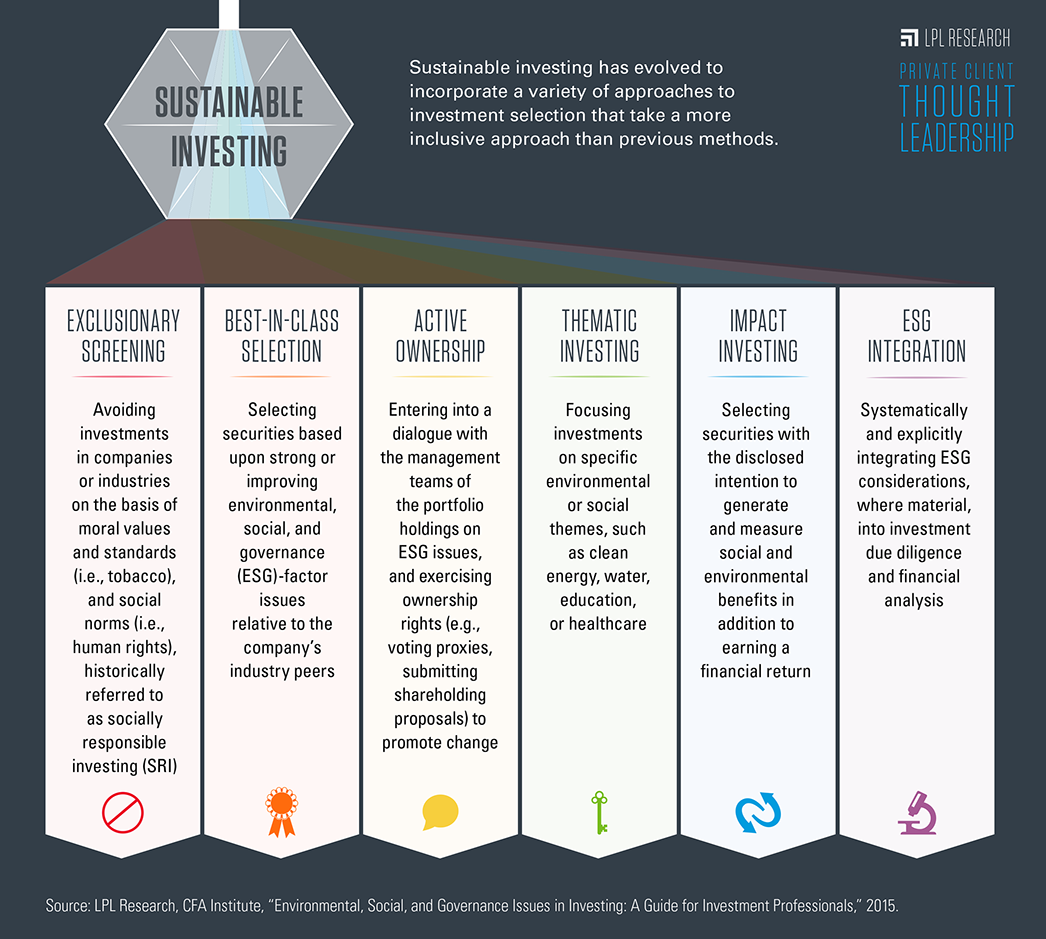
Sustainable investing, or ESG (Environmental, Social, and Governance) investing, involves integrating these criteria into investment decisions. This means evaluating companies based on their environmental practices, social responsibility, and governance standards. For instance, a company might be assessed on its carbon footprint, energy efficiency, or involvement in renewable energy. Socially, it could look at how a company manages relationships with employees, suppliers, and communities. Governance would involve examining leadership ethics, board diversity, and shareholder rights.
This approach allows investors to support businesses that align with their values while still aiming for competitive financial returns. It’s important to note that ESG investing isn’t just a passing trend; it’s rooted in long-term thinking and structural shifts in how businesses operate and consumers invest. By incorporating ESG factors, investors can potentially reduce risks and enhance long-term profitability.
The Importance of Defining Your Values
Before diving into sustainable investing, it’s crucial to define your values. What causes or issues matter most to you? Whether it’s climate change, equality, ethical governance, or faith-based principles, understanding your priorities will guide your investment choices. This personal touch ensures that your portfolio becomes a reflection of your core beliefs, contributing to the changes you wish to see in the world.
For example, if you’re passionate about reducing plastic waste, you might choose to invest in companies that focus on sustainable packaging solutions. If you're concerned about social equity, you might look for investments in companies that prioritize fair wages and community development. By aligning your investments with your values, you not only build wealth but also make a positive impact.
Researching Investment Options
Once you’ve defined your values, the next step is to research investment options that align with them. This includes mutual funds, ETFs, or individual stocks with strong ESG ratings. You can also consider options that incorporate faith-based values if that aligns with your priorities. It’s essential to evaluate these investments based on their financial performance to ensure they meet your financial goals.
Many financial advisors specialize in ESG criteria and can help tailor your portfolio to reflect both your values and financial objectives. They can provide insights into the performance of ESG-focused funds and help you navigate the complexities of sustainable investing.
Assessing Performance and Risk
While ESG investing offers the potential for long-term profitability, it’s important to assess performance and risk. Like all investments, ESG investments carry inherent market risks. However, studies have shown that ESG-focused funds often perform as well as, or better than, traditional investment funds over the long term. Companies that prioritize sustainability may demonstrate resilience in volatile markets, adapt better to regulatory changes, and foster strong relationships with stakeholders.
By carefully assessing the performance of ESG investments, you can make informed decisions that align with your financial goals. This involves analyzing historical performance, understanding market trends, and considering the overall health of the companies you're investing in.
Building Multiple Income Streams
Another key strategy for sustainable wealth building is to create multiple income streams. Relying on a single source of income can be risky, as job loss or economic downturns can severely impact financial stability. By diversifying your income sources, you can enhance financial security and accelerate wealth accumulation.
Additional income streams can come from side businesses, freelance work, rental properties, stock dividends, or passive income opportunities such as royalties or affiliate marketing. Diversifying income not only increases financial resilience but also provides more opportunities to invest and grow wealth over time.
Educating Yourself Financially
Financial literacy is essential for long-term financial success. Understanding concepts such as investing, taxes, inflation, and market trends enables better financial decision-making. There are numerous ways to improve financial knowledge, including reading books, attending workshops, taking online courses, and following reputable financial experts.
Staying informed about economic changes and investment opportunities ensures that your financial strategies remain relevant and effective. Knowledge is a powerful tool in wealth building, as it helps individuals avoid common financial pitfalls and make informed choices.
Protecting Your Wealth
Accumulating wealth is only part of the equation—protecting it is equally important. Unexpected events such as medical emergencies, job loss, or market downturns can threaten financial stability. Having an emergency fund, typically covering three to six months of living expenses, provides a financial safety net.
Additionally, insurance policies, such as health, life, and property insurance, safeguard against unforeseen risks. Estate planning, including wills and trusts, ensures that wealth is preserved and passed on according to your wishes. Proactive measures to protect assets prevent setbacks that could derail financial progress.
Being Patient and Persistent
Wealth building is not an overnight process—it requires patience, discipline, and a long-term perspective. Market fluctuations, economic cycles, and financial setbacks are all part of the journey. Staying committed to financial goals, maintaining a diversified investment portfolio, and consistently saving and investing will yield long-term rewards.
The power of compound interest and the steady growth of investments over time highlight the importance of persistence. Avoiding impulsive financial decisions and focusing on long-term objectives ensures that wealth continues to grow sustainably.
Conclusion
Building wealth through sustainable investing is a powerful way to secure your financial future while aligning with your values. By defining your priorities, researching investment options, assessing performance, and protecting your assets, you can create a legacy that reflects your principles and aspirations. With the right strategies and mindset, you can achieve long-term financial freedom and make a positive impact on the world.
As you embark on your journey toward financial independence, remember that every step you take today lays the foundation for a secure and prosperous tomorrow. By embracing sustainable investing, you not only build wealth but also contribute to a more responsible and equitable future. 


Post a Comment for "10 Sustainable Ways to Build Long-Term Wealth and Financial Freedom"
Post a Comment