Understanding the Equity Market for Deep Wealth: A Comprehensive Guide
In today’s fast-paced financial landscape, the equity market plays a pivotal role in shaping long-term wealth. For those looking to build deep wealth, understanding how equity works—both in stocks and other forms like real estate or private investments—is essential. The concept of equity isn’t just about ownership; it’s about value creation, risk management, and strategic growth. Whether you're an experienced investor or just starting out, diving into the equity market can open up new avenues for financial success.
The term "equity" is often used interchangeably with ownership, but its implications go far beyond that. In finance, equity refers to the residual interest in a company’s assets after all liabilities have been settled. This means that if a company were to liquidate, the amount left for shareholders would be their equity. But equity also extends to real estate, where homeowners build equity through mortgage payments and property appreciation. Understanding these different forms of equity is key to building a diversified and resilient investment portfolio.
What Is Equity and Why Does It Matter?

At its core, equity represents the value of an asset after subtracting any associated debts. In the context of the stock market, shareholder equity is calculated as total assets minus total liabilities. This figure gives investors insight into a company's financial health and helps determine whether it's a viable investment. For example, a company with strong equity may indicate solid financial footing, while negative equity could signal potential risks.
Equity is not only relevant for companies but also for individuals. Homeowners, for instance, build equity by paying down their mortgages and seeing their property values increase. Similarly, private equity involves investing in non-publicly traded companies, offering high returns for those who can access these opportunities. Each form of equity provides unique benefits and challenges, making it crucial to understand how they function in different contexts.
The Equity Market and Wealth Building
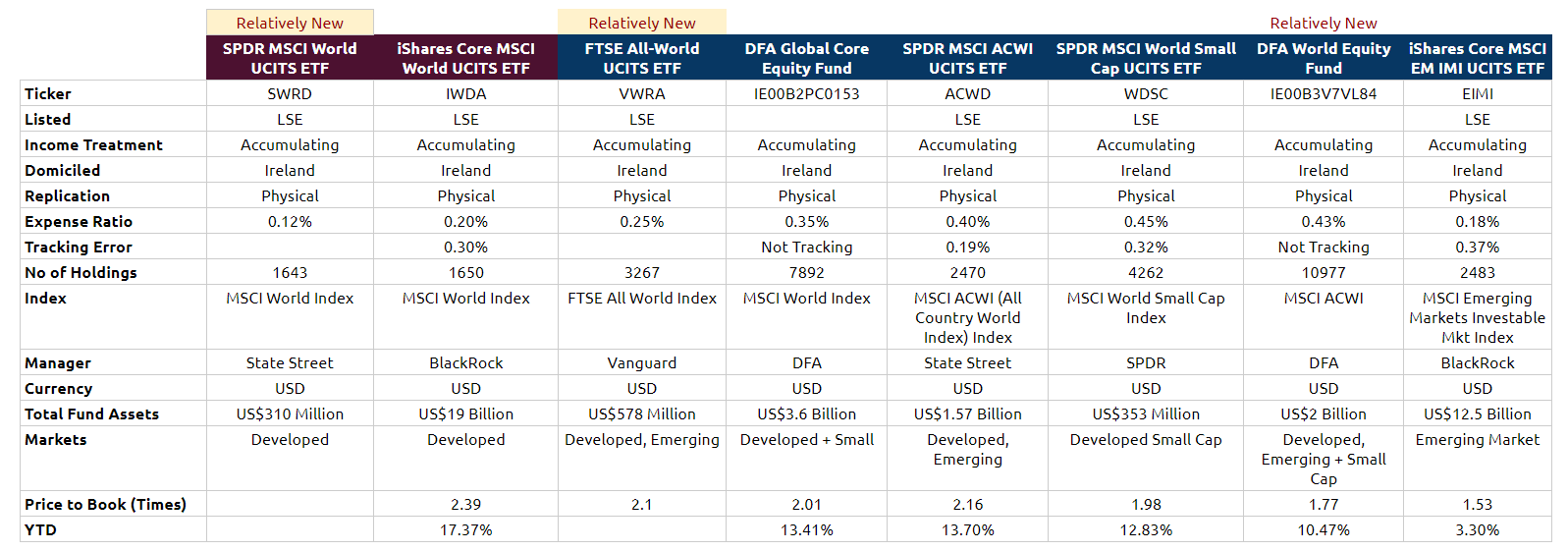
The equity market is one of the most powerful tools for wealth accumulation. Unlike traditional savings accounts, which offer minimal returns, investing in equities allows individuals to participate in the growth of companies and potentially earn substantial profits. Over time, compounding returns can significantly boost an investor’s net worth, especially when combined with disciplined investing and long-term planning.
For those seeking deep wealth, the equity market offers several advantages. First, it provides liquidity, allowing investors to buy and sell shares quickly. Second, it offers diversification, enabling investors to spread their risk across various industries and sectors. Third, it allows for passive income through dividends, which can provide a steady stream of earnings even during market downturns.
However, the equity market is not without its risks. Volatility, economic downturns, and company-specific events can all impact an investor’s returns. That’s why it’s important to approach the equity market with a well-thought-out strategy, including thorough research, risk management, and a long-term perspective.
Key Components of Equity Investment
To make informed decisions in the equity market, it’s essential to understand the key components that influence investment outcomes. These include:
- Stock Selection: Choosing the right stocks is critical. Investors should look for companies with strong fundamentals, consistent earnings, and growth potential. Diversifying across different sectors can help mitigate risk.
- Dividend Income: Many companies pay dividends to shareholders, providing a regular income stream. Dividend-paying stocks can be particularly appealing for investors seeking stable returns.
- Capital Appreciation: This refers to the increase in the value of an investment over time. Investors aim to buy low and sell high, capitalizing on market fluctuations.
- Risk Management: No investment is without risk. Investors should assess their risk tolerance and use tools such as stop-loss orders and diversification to protect their portfolios.
By mastering these components, investors can navigate the equity market more effectively and increase their chances of achieving long-term wealth.
Emerging Trends in the Equity Market (2025–2026)
As we move into 2025 and 2026, the equity market is evolving rapidly. Several trends are shaping the landscape, including increased adoption of ESG (Environmental, Social, and Governance) investing, the rise of AI-driven trading platforms, and growing interest in emerging markets.
ESG investing has gained significant traction, with more investors prioritizing sustainability and ethical practices. Companies that align with ESG principles are often viewed as more resilient and forward-thinking, making them attractive to long-term investors.
AI-driven platforms are also transforming the way people invest. These tools can analyze vast amounts of data, identify patterns, and make recommendations based on historical performance and market conditions. While this can enhance decision-making, it also requires investors to stay informed and understand the underlying algorithms.
Emerging markets continue to attract attention due to their potential for high growth. Countries in Asia, Africa, and Latin America are experiencing rapid economic development, creating new opportunities for equity investors willing to take on some level of risk.
Common Questions About Equity and Wealth Building
Q: How do I start investing in the equity market?
A: Begin by opening a brokerage account and researching stocks or ETFs that align with your financial goals. Consider consulting a financial advisor to develop a personalized strategy.
Q: What is the difference between equity and debt?
A: Equity represents ownership in an asset, while debt is a loan that must be repaid. Equity typically offers higher potential returns but comes with greater risk.
Q: Can I build wealth through real estate equity?
A: Yes, real estate can be a powerful tool for building equity. As property values appreciate and mortgages are paid down, homeowners can accumulate significant wealth over time.
Q: Is private equity accessible to individual investors?
A: Private equity is generally reserved for accredited investors due to the high minimum investment requirements. However, alternatives like private equity ETFs or funds may be available to a broader audience.
[IMAGE: Equity market for deep wealth investment strategies]
Conclusion
The equity market offers a wealth of opportunities for those who understand how to navigate it effectively. Whether through stocks, real estate, or private equity, building deep wealth requires a combination of knowledge, patience, and strategic planning. By staying informed about market trends, managing risk, and making informed investment decisions, individuals can harness the power of equity to achieve long-term financial success.
Remember, the journey to deep wealth is not about quick wins—it's about consistent growth, smart choices, and a long-term vision. With the right approach, the equity market can be a powerful ally in your quest for financial freedom.
Post a Comment for "Understanding the Equity Market for Deep Wealth: A Comprehensive Guide"
Post a Comment