Top Long-Term Wealth Building Tactics Every Investor Should Know
In today’s fast-paced financial world, the idea of building long-term wealth often feels like a distant dream. With markets fluctuating and economic uncertainty looming, many investors struggle to find a clear path forward. However, the truth is that long-term wealth building isn’t about chasing quick wins—it’s about making smart, disciplined choices that compound over time. Whether you’re just starting out or looking to refine your strategy, understanding the right tactics can make all the difference.
The key to long-term wealth lies in a combination of financial discipline, strategic planning, and a deep understanding of how money works. While there are countless approaches, certain proven tactics consistently stand out as essential for anyone serious about building lasting financial security.
1. Start Early and Leverage Compounding

One of the most powerful tools in long-term wealth building is compounding. The earlier you start investing, the more time your money has to grow. This is especially true when it comes to retirement savings, where even small contributions made early on can lead to substantial returns over decades.
Consider this: if you invest $200 a month starting at age 25 with an average annual return of 7%, you could end up with over $300,000 by age 65. If you wait until 35 to start, you’d need to invest nearly double that amount each month to reach the same goal. The lesson here is clear—time is your greatest ally when it comes to compounding.
2. Diversify Your Portfolio
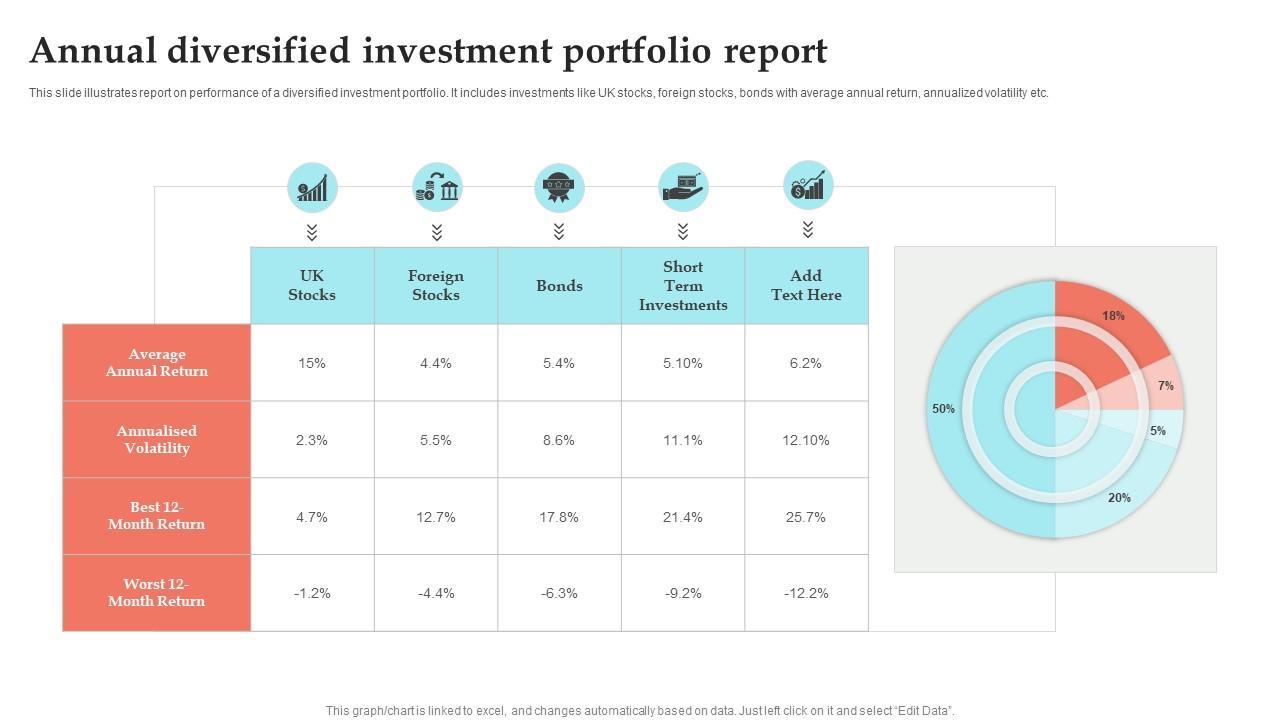
Diversification is another cornerstone of long-term wealth building. By spreading your investments across different asset classes, sectors, and geographic regions, you reduce the risk of significant losses from any single investment. This doesn’t mean you should spread yourself too thin, but rather focus on a balanced mix that aligns with your risk tolerance and financial goals.
For example, a well-diversified portfolio might include a mix of stocks, bonds, real estate, and alternative investments like gold or cryptocurrencies. Each of these assets behaves differently under various market conditions, which helps smooth out volatility and provides more consistent returns over time.
3. Invest in Low-Cost Index Funds
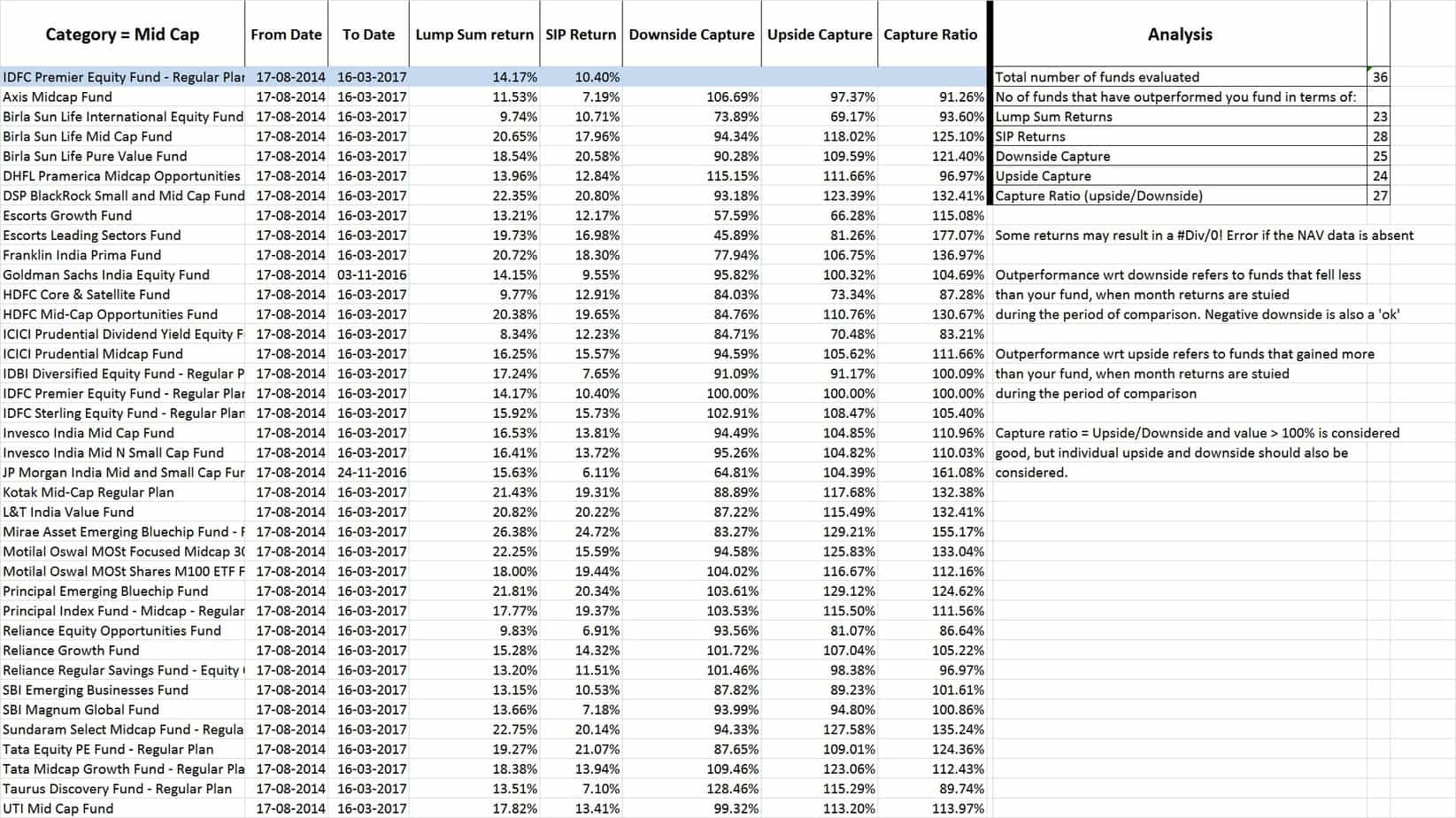
Index funds have become a popular choice for long-term investors due to their low fees and broad market exposure. These funds track a specific market index, such as the S&P 500 or the TSX Composite, and offer a simple way to gain exposure to a wide range of companies without the high costs associated with actively managed funds.
Studies show that over the long term, index funds often outperform the majority of actively managed funds. This is largely due to their lower expense ratios and the fact that they don’t require constant trading, which can eat into returns. For example, the iShares S&P/TSX Capped Composite Index Fund (TSX: XIC) offers a cost-effective way to invest in Canada’s largest companies, with a management fee of just 0.05%.
4. Prioritize Tax-Efficient Investing
Tax efficiency plays a crucial role in long-term wealth building. The more you can keep in your pocket after taxes, the more you have to reinvest and grow. One effective strategy is to use tax-advantaged accounts like a TFSA (Tax-Free Savings Account) or an RRSP (Registered Retirement Savings Plan).
These accounts allow your investments to grow without being taxed, which can significantly boost your returns over time. For instance, if you contribute $28,000 to a TFSA and earn an average annual return of 7%, you could see over $100,000 in growth within 20 years—without ever paying taxes on those gains.
5. Maintain a Disciplined Approach
Discipline is perhaps the most underrated factor in long-term wealth building. It’s easy to get caught up in market hype or panic during downturns, but successful investors stick to their plan regardless of short-term fluctuations. This means avoiding emotional decisions, staying focused on your goals, and regularly reviewing your portfolio to ensure it remains aligned with your objectives.
A good rule of thumb is to rebalance your portfolio annually or whenever your asset allocation deviates by more than 5% from your target. This helps maintain the balance you’ve worked so hard to achieve and ensures you’re not taking on unnecessary risk.
6. Continuously Educate Yourself
The financial landscape is constantly evolving, and staying informed is key to making smart investment decisions. Whether it’s reading books, attending webinars, or following reputable financial news sources, continuous learning can help you adapt to changing conditions and identify new opportunities.
Investing is not a one-size-fits-all approach, and what works for one person may not work for another. By staying educated, you can tailor your strategy to your unique circumstances and increase your chances of long-term success.
Common Questions & Practical Insights
Q: How much should I save each month for long-term wealth?
A: The answer depends on your income, expenses, and financial goals. A general guideline is to save at least 10-15% of your income, but even smaller amounts can add up over time with consistent effort.
Q: What if I’m not sure where to start?
A: Begin with a budget to understand your cash flow, then set clear financial goals. From there, explore options like index funds, ETFs, or robo-advisors to build a diversified portfolio.
Q: Can I build long-term wealth with a small amount of money?
A: Absolutely. Starting with a modest amount and consistently contributing to your investments can still lead to significant growth over time, especially when combined with compounding and tax-efficient strategies.
Conclusion
Building long-term wealth is not about luck or shortcuts—it’s about making informed, disciplined choices that align with your financial goals. By starting early, diversifying your portfolio, investing in low-cost index funds, prioritizing tax efficiency, maintaining a disciplined approach, and continuously educating yourself, you can create a solid foundation for financial security.
Remember, the journey to long-term wealth is a marathon, not a sprint. It requires patience, persistence, and a commitment to learning and adapting. With the right strategies in place, you’ll be well on your way to achieving lasting financial success.

Post a Comment for "Top Long-Term Wealth Building Tactics Every Investor Should Know"
Post a Comment