The Ultimate Guide to How to Get Rich: Proven Strategies for Long-Term Wealth
The question of "how to get rich" is one that has fascinated people for centuries. While the idea of sudden wealth through luck or inheritance may seem appealing, the reality is that true financial success often comes from a combination of discipline, strategy, and long-term planning. In today’s rapidly evolving economic landscape, building lasting wealth requires more than just hard work—it demands a clear understanding of financial principles and a commitment to consistent action. This guide explores proven strategies for achieving long-term wealth, tailored to the current economic environment in the United States.
Understanding the Foundations of Wealth Building

Before diving into specific strategies, it's essential to understand the foundational steps that lead to financial independence. These steps are not only practical but also universally applicable, regardless of your starting point.
1. Live Below Your Means
One of the most critical habits for building wealth is living within your means. This doesn’t mean you have to live frugally, but it does mean avoiding unnecessary debt and prioritizing savings over consumption. According to a recent study, 94% of millionaires live on less than they make, emphasizing the importance of mindful spending.
2. Eliminate High-Interest Debt
Debt can be a significant barrier to wealth accumulation, especially high-interest debt like credit card balances. The first step in building wealth is to pay off these debts as quickly as possible. This allows you to redirect funds toward savings and investments, which are the true drivers of long-term growth.
3. Build an Emergency Fund
An emergency fund is a crucial safety net that protects you from unexpected expenses. Aim to save at least three to six months’ worth of living expenses in a separate account. This ensures that you don’t have to rely on credit cards or loans during tough times.
Investing for the Future

Once you’ve established a solid financial foundation, the next step is to start investing. The power of compound interest can turn even modest contributions into substantial wealth over time.
4. Start Early and Invest Consistently
Time is one of the most valuable assets when it comes to investing. The earlier you begin, the more time your money has to grow. For example, if you start investing $200 a month at age 24, you could end up with over $1.7 million by age 64—compared to just $560,900 if you start at age 34. This highlights the importance of starting early and maintaining consistent contributions.
5. Diversify Your Portfolio
Diversification is key to managing risk and maximizing returns. A well-balanced portfolio typically includes a mix of stocks, bonds, and other assets. Consider low-cost index funds or target-date retirement funds, which automatically adjust their asset allocation based on your age and risk tolerance.
6. Take Advantage of Tax-Advantaged Accounts
Retirement accounts like 401(k)s and IRAs offer tax benefits that can significantly boost your savings. If your employer offers a 401(k) match, contribute at least enough to receive the full match—it’s essentially free money. Additionally, Roth IRAs allow you to withdraw funds tax-free in retirement, making them an excellent choice for long-term growth.
Strategic Wealth Management
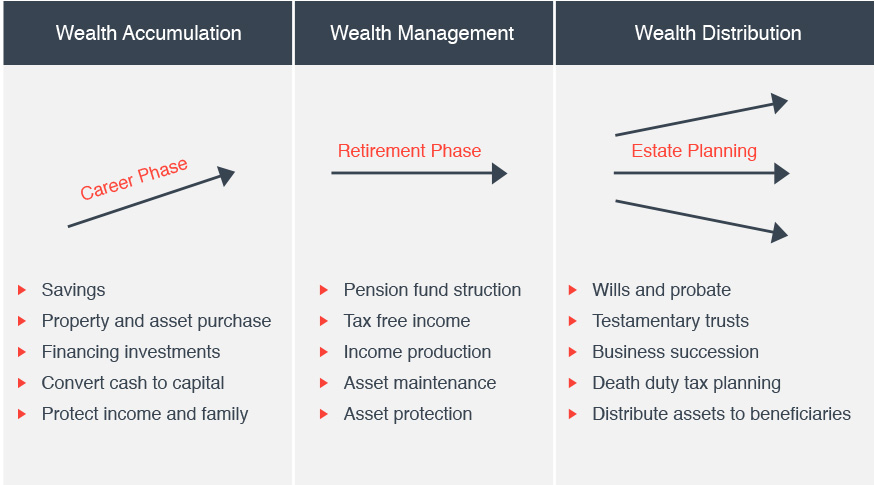
Building wealth is not just about saving and investing; it also involves managing your finances strategically to ensure long-term stability.
7. Create a Budget and Stick to It
A budget is a powerful tool that helps you track your income and expenses. By assigning every dollar a purpose, you can avoid overspending and allocate funds toward your financial goals. According to research, 93% of millionaires use a budget to manage their money effectively.
8. Plan for Taxes and Estate Planning
Taxes can eat into your savings if not managed properly. Work with a financial advisor to develop a tax-efficient strategy that minimizes your liability. Additionally, estate planning ensures that your wealth is distributed according to your wishes. This includes creating a will, setting up trusts, and organizing important documents.
9. Avoid Lifestyle Inflation
As your income increases, it’s easy to fall into the trap of lifestyle inflation—spending more as you earn more. Instead, focus on maintaining a balanced lifestyle that aligns with your financial goals. This habit allows you to save more and invest wisely.
Common Questions and Practical Insights
Q: Can I get rich without a high income?
A: Yes, wealth is not solely determined by income. It’s about how you manage your money. Even with a modest income, consistent saving and smart investing can lead to long-term financial success.
Q: Is it too late to start building wealth if I’m older?
A: It’s never too late to start. While starting earlier provides more time for compound growth, there are still ways to build wealth later in life. Focus on paying off debt, increasing savings, and making strategic investments.
Q: What role does generosity play in wealth building?
A: Generosity can enhance your financial peace of mind. Studies show that giving back can increase happiness and overall life satisfaction. It also fosters a sense of purpose that contributes to long-term fulfillment.
Conclusion
The path to wealth is not a quick fix but a journey that requires discipline, patience, and strategic planning. By living below your means, eliminating debt, investing consistently, and managing your finances wisely, you can build a secure financial future. Remember, the goal is not just to accumulate wealth but to achieve financial freedom and the ability to live life on your terms. With the right mindset and actions, anyone can take meaningful steps toward long-term wealth.

Post a Comment for "The Ultimate Guide to How to Get Rich: Proven Strategies for Long-Term Wealth"
Post a Comment