How to Maximize Returns with Angel Investing: A Complete Guide
In the ever-evolving world of finance, where traditional investment avenues often yield modest returns, angel investing has emerged as a powerful tool for those seeking high returns. For individuals with the capital and appetite for risk, angel investing offers the potential to not only grow wealth but also shape the future of innovative startups. However, it's not a path without its challenges. This guide will walk you through the essentials of angel investing, helping you understand how to maximize your returns while navigating the complexities of this dynamic field.
Understanding Angel Investing

Angel investing is the practice of providing financial support to early-stage startups in exchange for equity. Unlike venture capitalists, who typically invest larger sums on behalf of their firms, angel investors use their own personal funds. This form of investment is often seen as a way to support innovation and entrepreneurship, but it also holds the promise of substantial financial rewards.
The allure of angel investing lies in its potential for high returns. According to recent studies, the average return on angel investments can be as high as 2.6 times the initial investment over a period of 3.5 years. However, this comes with significant risks, as many startups fail, and investors may lose their entire investment. The key to maximizing returns lies in understanding the process, conducting thorough due diligence, and building a diversified portfolio.
The Process of Angel Investing
The journey of an angel investor begins with screening potential opportunities. This involves reviewing numerous business plans to identify companies that align with your investment criteria. Once a company is identified, the next step is due diligence, which includes researching the company's management team, market potential, and financials.
Negotiating the terms of the investment follows, where investors agree on the amount of money to be invested and the equity stake they will receive. Finally, the deal is closed, and the investor becomes a part-owner of the company. Each step of this process is crucial, as it sets the foundation for the relationship between the investor and the startup.
Assessing Opportunities
When evaluating potential investments, several factors should be considered. The team behind the startup is critical; look for a mix of experience, passion, and a clear vision. The market size and growth potential are also important indicators. A large and growing market increases the likelihood of success. Additionally, the product or service must solve a real problem and have a clear value proposition.
Financial viability is another key factor. Investors should assess whether the startup can generate revenue and achieve profitability. By thoroughly analyzing these aspects, investors can make informed decisions that increase the chances of achieving high returns.
Building a Diversified Portfolio
Diversification is essential in angel investing. Instead of putting all your capital into a single startup, consider spreading your investments across different industries and stages of development. This strategy helps mitigate risks, as not all startups will succeed.
Investing in a mix of debt and equity can also provide a balanced approach. Debt investments involve loaning money to a company with the expectation of repayment with interest, while equity investments mean owning a portion of the company. By diversifying your portfolio, you can potentially enhance your overall returns while managing risk more effectively.
Working with Entrepreneurs
The relationship between an angel investor and an entrepreneur is pivotal to the success of the investment. Clear communication and mutual understanding are essential. Set expectations regarding return on investment, involvement, and exit strategies from the outset.
Due diligence is crucial here as well. Research the entrepreneur's background, track record, and the company's financials. Being patient and supportive can foster a strong partnership, allowing both parties to navigate the challenges of startup growth together. Flexibility and honesty are also vital, as the startup landscape is constantly evolving.
Getting Involved with the Startup Ecosystem
Engaging with the startup ecosystem can provide valuable insights and opportunities. Joining angel investing groups or participating in startup accelerators can connect you with like-minded investors and entrepreneurs. These platforms offer a chance to learn from experienced investors, gain access to exclusive deals, and stay updated on industry trends.
Additionally, providing mentorship or advice to entrepreneurs can be rewarding. Your expertise can help startups overcome challenges and achieve their goals, creating a symbiotic relationship that benefits both parties.
Exits and Returns
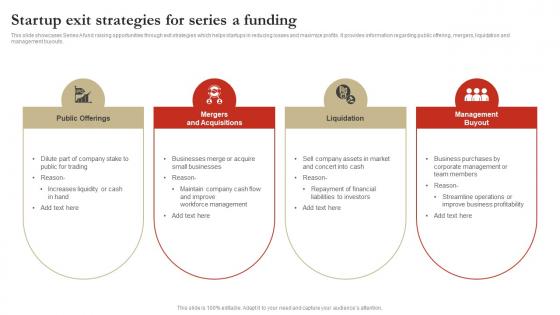
Exits are a critical aspect of angel investing, as they determine the return on investment. Common exit strategies include initial public offerings (IPOs), acquisitions, and mergers. While IPOs are the most common exit for venture-backed companies, sales and mergers are also prevalent.
Returns can vary widely, with successful exits yielding returns of 10x or more. However, it's important to remember that not all investments will result in a profitable exit. The key is to maintain a long-term perspective and be prepared for the possibility of losses.
Conclusion
Angel investing offers the potential for high returns, but it requires careful planning, thorough research, and a willingness to take calculated risks. By understanding the process, assessing opportunities, building a diversified portfolio, and fostering strong relationships with entrepreneurs, you can position yourself to maximize your returns in this exciting and dynamic field. As the startup ecosystem continues to evolve, staying informed and adaptable will be key to achieving success in angel investing. 

Post a Comment for "How to Maximize Returns with Angel Investing: A Complete Guide"
Post a Comment