How to Future-Proof Your Financial Status: A Comprehensive Guide
In today’s rapidly evolving economic landscape, the concept of "future-proofing your financial status" has never been more critical. Whether you're a young professional just starting out or someone nearing retirement, the need to safeguard your financial health against uncertainty is universal. With inflation rates fluctuating, job markets shifting, and technological advancements reshaping industries, it's essential to take proactive steps to ensure your financial stability remains intact.
Financial security isn't just about having enough money—it's about being prepared for the unexpected. It's about knowing that no matter what life throws at you, you can weather the storm without falling into debt or financial ruin. This article will guide you through practical strategies to future-proof your financial status, helping you build a resilient financial foundation that stands the test of time.
Understanding the Importance of Financial Security
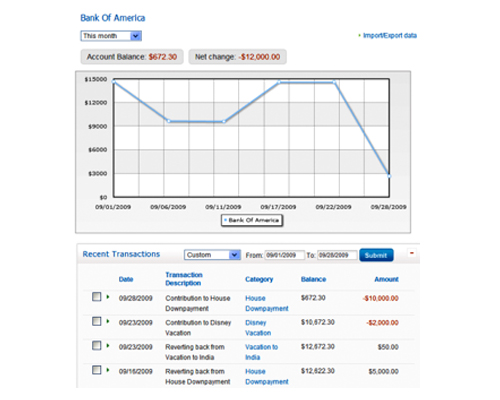
Financial security means more than just having a stable income; it's about having the confidence to handle life's uncertainties without stress. According to recent studies, over 70% of Americans live paycheck to paycheck, with many lacking even a basic emergency fund. The fear of unexpected expenses—like medical bills, car repairs, or job loss—can be overwhelming.
But here's the good news: You don't have to live in constant financial anxiety. By taking deliberate steps to manage your money wisely, you can create a safety net that protects you from financial shocks. This includes building an emergency fund, paying off high-interest debt, and investing for the future. These actions not only provide peace of mind but also set the stage for long-term financial growth.
5 Key Strategies to Future-Proof Your Financial Status
1. Live Within Your Means
One of the most fundamental steps to achieving financial security is to live within your means. This doesn’t mean sacrificing all comfort, but rather making conscious choices about how you spend your money.
Start by tracking your income and expenses. Use budgeting tools or apps to categorize your spending and identify areas where you can cut back. For example, if you find yourself frequently dining out, consider cooking at home more often. If you’re overspending on subscriptions, evaluate which ones are truly necessary.
The goal is to ensure that you’re not relying on credit cards or loans to cover daily expenses. Living on less than you make gives you the flexibility to save and invest, which are key components of long-term financial security.
2. Eliminate High-Interest Debt

Debt can be a major roadblock to financial security, especially when it comes to high-interest credit card debt. As of 2025, the average credit card balance in the U.S. is around $6,300, with interest rates averaging 16% or higher. This type of debt can quickly spiral out of control if not managed properly.
To get ahead of this, consider using the debt snowball method or the debt avalanche method. Both approaches involve prioritizing your debts based on either the smallest balance or the highest interest rate. By focusing on one debt at a time, you can build momentum and reduce the total amount of interest you pay over time.
3. Build an Emergency Fund

An emergency fund is one of the most crucial elements of financial security. It acts as a financial safety net, allowing you to handle unexpected expenses without resorting to debt. Experts recommend saving at least three to six months’ worth of living expenses in an easily accessible account.
If you're just starting out, aim for a smaller goal, such as $1,000, and gradually increase your savings. Automating your savings can help you stay consistent, ensuring that you're always building toward your financial goals.
4. Invest for the Future
Investing is a powerful tool for growing wealth and securing your financial future. Whether you're saving for retirement, a down payment on a house, or a child's education, investing allows your money to work for you over time.
A common rule of thumb is to invest at least 15% of your income for retirement. This can be done through employer-sponsored retirement accounts like a 401(k) or individual retirement accounts (IRAs). Diversifying your investments across different asset classes, such as stocks, bonds, and real estate, helps mitigate risk and maximize returns.
5. Continuously Educate Yourself
Financial literacy is a lifelong journey. The more you understand about personal finance, the better equipped you’ll be to make informed decisions. Take advantage of free resources such as books, podcasts, and online courses to expand your knowledge.
Stay updated on economic trends, tax laws, and investment opportunities. By staying informed, you can adapt your financial strategies to changing circumstances and avoid costly mistakes.
Common Questions About Future-Proofing Your Financial Status
Q: How much should I save for emergencies?
A: Aim for at least three to six months of living expenses. If you're still paying off debt, start with a smaller amount, such as $1,000, and work your way up.
Q: Is it too late to start investing?
A: No! Even if you're starting later in life, investing can still have a significant impact on your long-term financial security. The earlier you start, the more time your money has to grow.
Q: What if I don’t have a lot of money to save?
A: Start small and be consistent. Even a few dollars a week can add up over time. Look for ways to increase your income, such as taking on a side hustle or negotiating a raise.
Conclusion
Future-proofing your financial status is not a one-time task but an ongoing process. It requires discipline, strategic planning, and a commitment to continuous learning. By living within your means, eliminating debt, building an emergency fund, investing for the future, and educating yourself, you can create a strong financial foundation that withstands life's uncertainties.
Remember, financial security isn't about having everything perfect—it's about being prepared for whatever comes next. With the right mindset and strategies, you can achieve lasting financial stability and enjoy peace of mind for years to come.

Post a Comment for "How to Future-Proof Your Financial Status: A Comprehensive Guide"
Post a Comment