How to Fully Comprehend Market Trends for Informed Decision-Making
In the ever-shifting landscape of financial markets, the ability to fully comprehend market trends is not just a skill—it's a necessity. Whether you're an experienced investor or just starting out, understanding the direction and dynamics of market movements can make the difference between profit and loss. As we navigate through 2025, with global events like geopolitical tensions, economic shifts, and technological advancements influencing stock prices, the importance of trend analysis has never been more critical.
The Significance of Market Trends

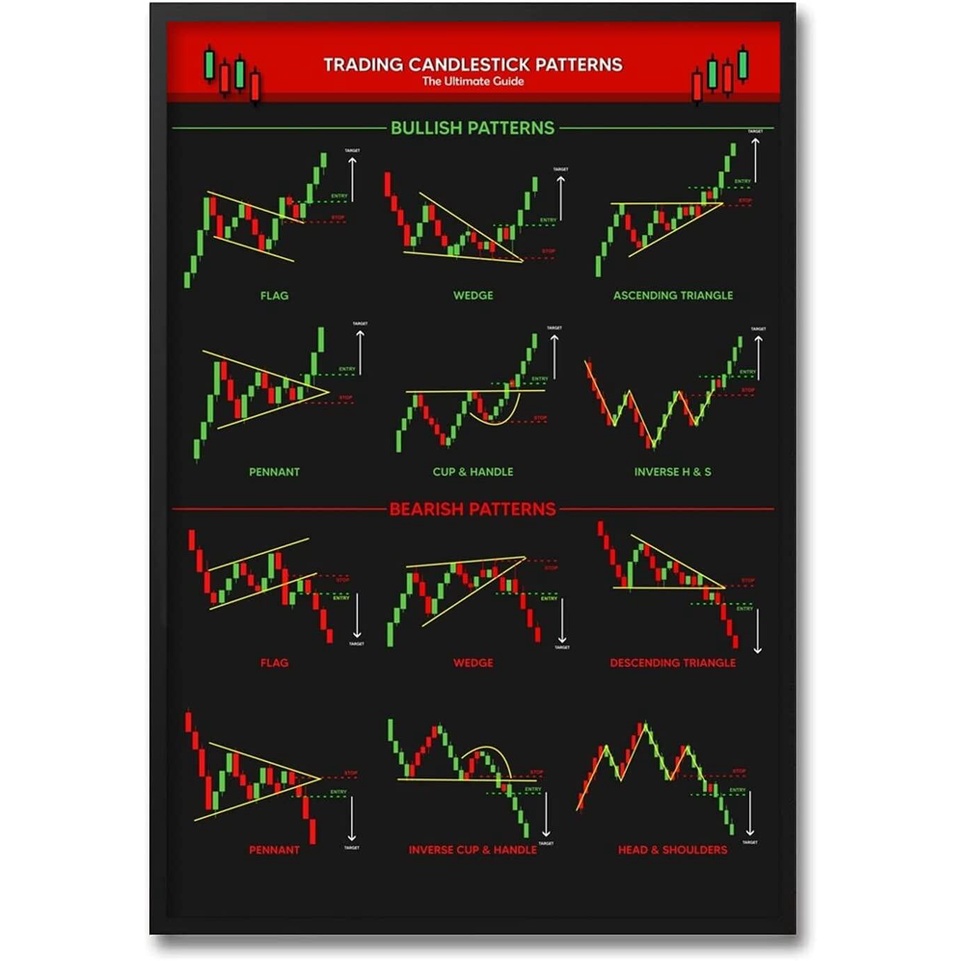
Market trends are the directional movements in asset prices over time. A bullish trend indicates rising prices, often driven by optimism and increased investor confidence. Conversely, a bearish trend reflects falling prices, typically fueled by fear and uncertainty. When prices remain relatively stable without clear upward or downward movement, it's referred to as a range-bound market.
Understanding these trends is essential for making informed investment decisions. It helps investors avoid buying at peak prices, identify optimal entry and exit points, and adjust their portfolios accordingly. While long-term investors may not focus heavily on short-term fluctuations, even they benefit from recognizing broader market cycles to align their strategies with the prevailing environment.
The Role of Investor Psychology
Emotions play a significant role in shaping market trends. Fear and greed are two of the most powerful forces that drive investor behavior. During a bearish phase, fear can lead to panic selling, causing prices to drop rapidly. On the other hand, during a bullish phase, greed can push prices beyond their fundamental value, creating bubbles that eventually burst.
The psychological aspect of investing is often overlooked, but it's crucial to recognize how emotions can cloud judgment. Investors who remain rational and avoid herd mentality are more likely to make sound decisions. This means taking the time to analyze market conditions rather than simply following the crowd.
Tools and Techniques for Trend Analysis
To fully comprehend market trends, investors need to leverage a variety of tools and techniques. Technical analysis is one of the most common methods, involving the use of charts and indicators such as the Relative Strength Index (RSI), Moving Average Convergence Divergence (MACD), and Bollinger Bands. These tools help identify overbought or oversold conditions and potential trend reversals.
Fundamental analysis is another key approach, focusing on a company's financial health, industry position, and macroeconomic factors. By combining both technical and fundamental analyses, investors can gain a more comprehensive view of the market.
Navigating Market Cycles
Market cycles—comprising phases of optimism, excitement, euphoria, anxiety, panic, despair, and hope—play a vital role in shaping investor behavior. Recognizing where the market is in its cycle can help investors make better decisions. For example, during periods of euphoria, it's often wise to be cautious and avoid overexposure. Conversely, during times of despair, there may be opportunities to buy undervalued assets.
Understanding these cycles also helps in managing expectations. Markets don't always move in straight lines; they fluctuate based on a complex interplay of factors. Investors who remain patient and disciplined are more likely to weather downturns and capitalize on recoveries.
Practical Tips for Staying Ahead
- Stay Informed: Keep up-to-date with news and developments that could impact the market. Follow reputable financial news sources and consider joining investment communities to gain insights from others.
- Use Technology: Leverage digital tools and platforms that offer real-time data and analytics. Many apps and websites provide customizable dashboards that track market trends and offer actionable insights.
- Educate Yourself: Continuously learn about market dynamics, investment strategies, and risk management. Online courses, webinars, and books can provide valuable knowledge and help build confidence.
- Diversify Your Portfolio: Avoid putting all your eggs in one basket. Diversification can help mitigate risks and ensure that your investments are spread across different asset classes and sectors.
- Review and Adjust: Regularly review your investment strategy and make adjustments as needed. Markets change, and what worked yesterday may not work today.
Common Questions and Practical Insights
-
What are the main types of market trends?
The three primary types are bullish, bearish, and range-bound. Each represents a different direction of price movement and requires a distinct approach from investors. -
How do I determine if a trend is strong or weak?
Strong trends are characterized by consistent price movements over time, while weak trends show erratic or inconsistent behavior. Using technical indicators can help identify the strength of a trend. -
Can I rely solely on technical analysis?
While technical analysis is useful, it should be combined with fundamental analysis for a more complete picture. Both approaches have their strengths and limitations. -
How can I manage my emotions while investing?
One effective strategy is to set clear investment goals and stick to them. Avoiding impulsive decisions and focusing on long-term objectives can help reduce emotional influence.
Conclusion
Fully comprehending market trends is a vital skill for any investor aiming to make informed decisions. By understanding the psychological factors that drive market behavior, utilizing the right tools and techniques, and staying adaptable, investors can navigate the complexities of the financial world with greater confidence. As we move further into 2025, the ability to read and respond to market trends will only become more important. With the right mindset and strategies, you can turn market volatility into opportunities for growth.
Post a Comment for "How to Fully Comprehend Market Trends for Informed Decision-Making"
Post a Comment