How to Establish a Robust Financial Foundation: A Comprehensive Guide
In today’s fast-paced and often unpredictable world, building a robust financial foundation is more crucial than ever. It’s not just about having money; it’s about creating a structure that allows you to live according to your values, pursue your goals, and weather life’s uncertainties with confidence. Whether you're just starting out or looking to refine your financial strategy, the principles of establishing a strong financial base remain consistent. This guide will walk you through the essential steps to build a stable, secure, and fulfilling financial future.
Understanding Your Current Financial Landscape

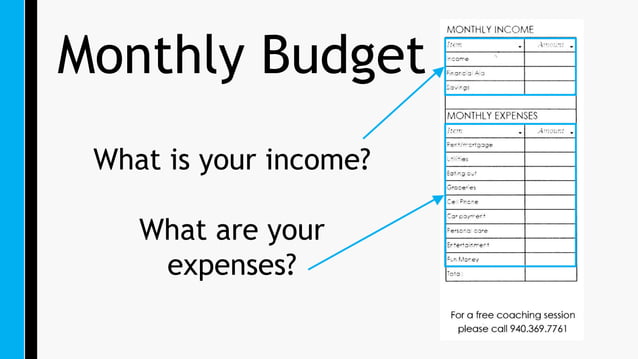
The first step in building a robust financial foundation is gaining a clear understanding of where you stand financially. This means taking stock of your income, expenses, debts, and savings. Start by listing all your sources of income—whether it's your salary, side gigs, or passive income. Then, track your monthly expenses across different categories such as housing, utilities, groceries, transportation, and entertainment.
It’s also important to review your credit report and score. This can reveal hidden debts, errors, or opportunities for improvement. Tools like free credit monitoring services can help you stay on top of your financial health. Once you have a clear picture, you can begin to identify areas where you might be overspending or under-saving.
Defining Your Financial Goals
Once you understand your current financial situation, the next step is to define your financial goals. These goals should be specific, measurable, and time-bound. For example, instead of saying “I want to save more,” set a goal like “I want to save $5,000 for an emergency fund within the next 12 months.”
Short-term goals might include paying off high-interest debt or saving for a vacation, while long-term goals could involve buying a home, funding education, or retiring comfortably. Prioritize these goals based on their urgency and importance. Having clear goals gives you direction and helps you make informed decisions about how to allocate your resources.
Creating a Realistic Budget
A budget is a powerful tool for managing your money effectively. It helps you allocate funds for essentials, debt repayment, and savings while allowing room for discretionary spending. There are various budgeting methods to choose from, such as the 50/30/20 rule, which divides your income into 50% for necessities, 30% for wants, and 20% for savings and debt. Alternatively, zero-based budgeting assigns every dollar a purpose, giving you complete control over your finances.
Creating a realistic budget requires honesty and flexibility. Avoid setting overly strict limits that are hard to maintain, but also don’t be too lenient. The key is to find a balance that works for your lifestyle and financial goals.
Building an Emergency Fund

Unexpected expenses can derail even the best-laid financial plans. An emergency fund acts as a safety net, providing peace of mind during times of crisis. Aim to save three to six months of living expenses in an easily accessible account. If this seems daunting, start small—perhaps with $500 or $1,000—and build up gradually.
Place your emergency fund in a separate account to avoid the temptation to spend it on non-emergencies. High-yield savings accounts can offer interest while keeping your money liquid. Remember, the goal is to have a financial cushion that protects you from unexpected setbacks without compromising your long-term goals.
Saving and Investing for the Future
After establishing an emergency fund, focus on long-term savings and investments. Retirement accounts like 401(k)s and IRAs offer tax advantages and the potential for compound growth over time. Take full advantage of employer matching contributions whenever possible.
Beyond retirement, consider other investment opportunities such as college funds, real estate, or entrepreneurial ventures. Diversifying your investments across stocks, bonds, mutual funds, and index funds can help mitigate risk and provide growth over the long term. Always align your investment choices with your risk tolerance and financial timeline.
Reviewing and Adjusting Your Plan
Life is constantly changing, and so should your financial plan. Schedule regular reviews of your finances—once a year or more if needed—to ensure your plan reflects your current situation. Evaluate your spending, debt, savings, and investments, and make adjustments as necessary.
Utilize tools like financial apps or spreadsheets to simplify this process. Over time, minor adjustments and consistent monitoring can lead to significant improvements in your financial stability and confidence.
Common Questions and Practical Insights
How do I know if I’m on the right track financially?
Start by assessing your progress toward your financial goals. Are you consistently saving and investing? Are your expenses under control? If you’re making steady progress, you’re likely on the right path.
What if I’m overwhelmed by my financial situation?
Take it one step at a time. Focus on the basics—budgeting, emergency savings, and debt management. Seek guidance from a certified financial planner if needed.
How much should I save for retirement?
Aim to save at least 15% of your income for retirement. The earlier you start, the more time your money has to grow through compound interest.
Is it worth refinancing my debt?
Refinancing can be beneficial if it lowers your interest rate and reduces your monthly payments. However, be cautious with federal loans, as refinancing may eliminate certain benefits.
Conclusion
Establishing a robust financial foundation is a journey that requires patience, discipline, and adaptability. By understanding your current financial landscape, defining clear goals, creating a realistic budget, building an emergency fund, and investing for the future, you can create a stable and secure financial future. Remember, the goal isn’t just to accumulate wealth—it’s to live a life that aligns with your values and brings you peace of mind. With the right approach, you can achieve financial independence and enjoy the freedom to pursue what truly matters to you.

Post a Comment for "How to Establish a Robust Financial Foundation: A Comprehensive Guide"
Post a Comment