How to Establish Diverse Revenue Streams for Long-Term Business Stability
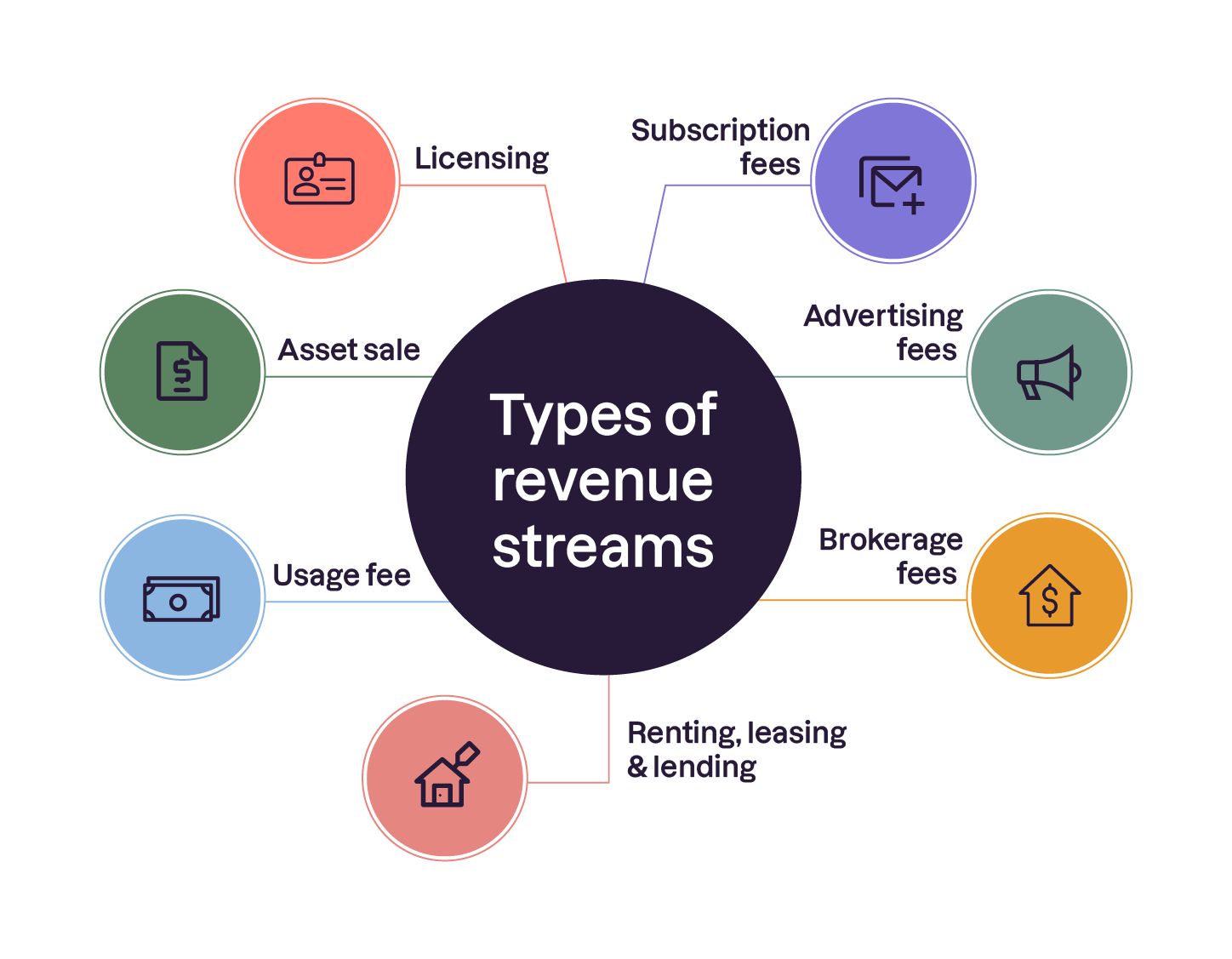
In an ever-changing economic landscape, the ability to adapt and remain resilient is what separates thriving businesses from those that struggle. For entrepreneurs and business owners, the key to long-term success often lies in establishing diverse revenue streams. This approach not only provides financial security but also opens up new opportunities for growth and innovation. In this article, we’ll explore practical strategies for building a stable, multi-faceted income model that can weather market fluctuations and support sustainable expansion.
The Importance of Diversification
Relying on a single source of income can be risky. A sudden shift in consumer demand, economic downturns, or unexpected competition can quickly disrupt your business. Diversifying your revenue streams helps mitigate these risks by creating multiple income sources that complement each other. This strategy ensures that even if one area faces challenges, others can continue to generate income, maintaining stability and allowing you to focus on long-term goals.
Diversification isn’t just about spreading risk—it’s also about unlocking new avenues for growth. By exploring different ways to earn money, you can tap into new markets, enhance customer engagement, and build a more robust business model.
1. Explore Passive Income Opportunities
Passive income is one of the most effective ways to add financial security without constant effort. Unlike active income, which requires ongoing work, passive income allows you to earn money while focusing on other aspects of your business.
Some popular passive income strategies include:
- Investing in dividend-paying stocks or real estate: These provide steady returns over time.
- Creating digital products: E-books, online courses, or print-on-demand items can be sold repeatedly with minimal maintenance.
- Licensing intellectual property: If you’ve developed a unique product, service, or brand, licensing it to others can generate ongoing revenue.
The key to success here is choosing opportunities that align with your existing business. Working with financial professionals or consultants can help you identify the best options for your situation.
2. Expand Product or Service Offerings
Many businesses limit themselves by sticking to a single product or service line. However, expanding your offerings can open up new revenue channels and attract a broader customer base.
Consider:
- Adding complementary services: A fitness coach might offer meal planning or wellness consultations.
- Bundling products: Offering a package deal can increase sales and customer satisfaction.
- Introducing new product lines: Researching trends and customer feedback can help you identify areas for expansion.
Before making significant changes, test new offerings on a small scale. This reduces risk and gives you valuable insights into what works and what doesn’t.
3. Leverage Digital Platforms
Digital platforms have revolutionized the way businesses operate. From e-commerce stores to online courses and membership programs, there are countless ways to generate revenue through the internet.
Some effective digital strategies include:
- Selling downloadable products: E-books, templates, or software tools can be sold repeatedly.
- Offering online consultations: Virtual services like coaching, training, or design work can reach a global audience.
- Starting a subscription-based model: Monthly or yearly memberships can provide predictable, recurring income.
Building a strong online presence through SEO, social media, and automation tools can help you scale your efforts while keeping costs under control.
4. Implement Subscription-Based Models
Subscription models have become increasingly popular due to their predictability and long-term value. Instead of relying on one-time purchases, businesses can create ongoing revenue by offering exclusive content, premium services, or curated products.
Examples include:
- Online workout subscriptions for fitness coaches.
- Monthly business strategy updates for marketing experts.
- Curated product boxes for niche audiences.
To succeed, your subscription must provide consistent value. Regularly updating content, improving features, and engaging with your audience can help maintain high retention rates.
5. Build Strategic Partnerships
Collaborating with other businesses can open up new revenue channels without requiring significant investment. Strategic partnerships allow you to tap into new customer bases, share marketing efforts, and offer combined services.
Some partnership ideas include:
- Affiliate marketing: Promote third-party products and earn commissions.
- Co-branded products: Partner with complementary brands to create unique offerings.
- Referral agreements: Encourage customers to refer others in exchange for rewards.
When forming partnerships, ensure they align with your brand values and long-term goals. Successful collaborations are built on mutual benefit and shared vision.
6. Invest in Scalable Revenue Opportunities
Scalability is essential for long-term growth. Investing in revenue streams that grow with your business—without proportionally increasing costs—can lead to higher profits and greater flexibility.
Strategies for scalability include:
- Automating processes: Use technology to reduce manual labor and improve efficiency.
- Developing digital products: Once created, these can be sold repeatedly with little additional cost.
- Licensing intellectual property: Monetize your brand or innovations through licensing agreements.
Reinvesting profits wisely is also crucial. Allocating funds to research, development, and expansion can help you stay ahead of market trends and maintain a competitive edge.
7. Diversify to Reduce Financial Risk
One of the most significant benefits of diversification is reduced financial risk. Businesses that rely on a single income source are vulnerable to disruptions, whether due to economic shifts, industry changes, or unforeseen events.
By having multiple revenue streams, you gain more control over your finances. For example, a business that sells both physical products and digital services can maintain cash flow even during supply chain issues.
This financial cushion allows you to make informed decisions, invest in growth, and respond to market changes with confidence.
Common Questions and Practical Insights
Q: How do I know which revenue streams to prioritize?
A: Start by assessing your current business model, identifying gaps, and researching trends. Focus on opportunities that align with your skills and resources.
Q: What if I don’t have the time or expertise to diversify?
A: Consider outsourcing, hiring freelancers, or using automation tools. Many platforms offer pre-built solutions that simplify the process.
Q: Can I diversify without overextending my business?
A: Yes, by starting small and scaling gradually. Test new revenue streams before fully committing, and focus on what adds the most value.
Conclusion
Establishing diverse revenue streams is not just a strategy—it’s a mindset. It requires proactive planning, continuous learning, and a willingness to adapt. By exploring passive income opportunities, expanding your offerings, leveraging digital platforms, and building strategic partnerships, you can create a resilient business that thrives in any economic climate.
Remember, the goal is not to chase every opportunity, but to build a balanced, sustainable model that supports long-term growth. With the right approach, you can transform your business into a powerful engine of financial stability and success.

Post a Comment for "How to Establish Diverse Revenue Streams for Long-Term Business Stability"
Post a Comment