How to Create Financial Security for Life: A Comprehensive Guide
Financial security is more than just having enough money to cover your bills—it's about creating a stable, sustainable future that allows you to live with confidence and peace of mind. In an era marked by economic uncertainty, rising costs, and unpredictable job markets, the need to build long-term financial stability has never been more critical. The good news is that with the right strategies, anyone can create a path toward lasting financial security.
According to recent data from the Federal Reserve, over 40% of Americans have less than $1,000 in savings, and nearly 30% say they would struggle to cover an unexpected expense of $400. These statistics highlight a pressing issue: many people are not prepared for life’s financial surprises. However, by taking proactive steps, you can ensure that your financial future is secure and resilient.
Define Your Financial Goals

The first step in creating financial security is to define clear, achievable goals. Whether it's paying off debt, saving for retirement, or building an emergency fund, setting specific targets helps you stay focused and motivated. Start by envisioning the lifestyle you want and estimating the costs associated with it. Consider factors like housing, healthcare, transportation, and daily expenses.
Breaking your goals into short-, medium-, and long-term objectives makes them more manageable. For example, if your goal is to retire at 60, you might set a target of saving $500,000 by age 50. This approach ensures that your progress is measurable and that you can adjust your strategy as needed.
Maximize Your Income Streams
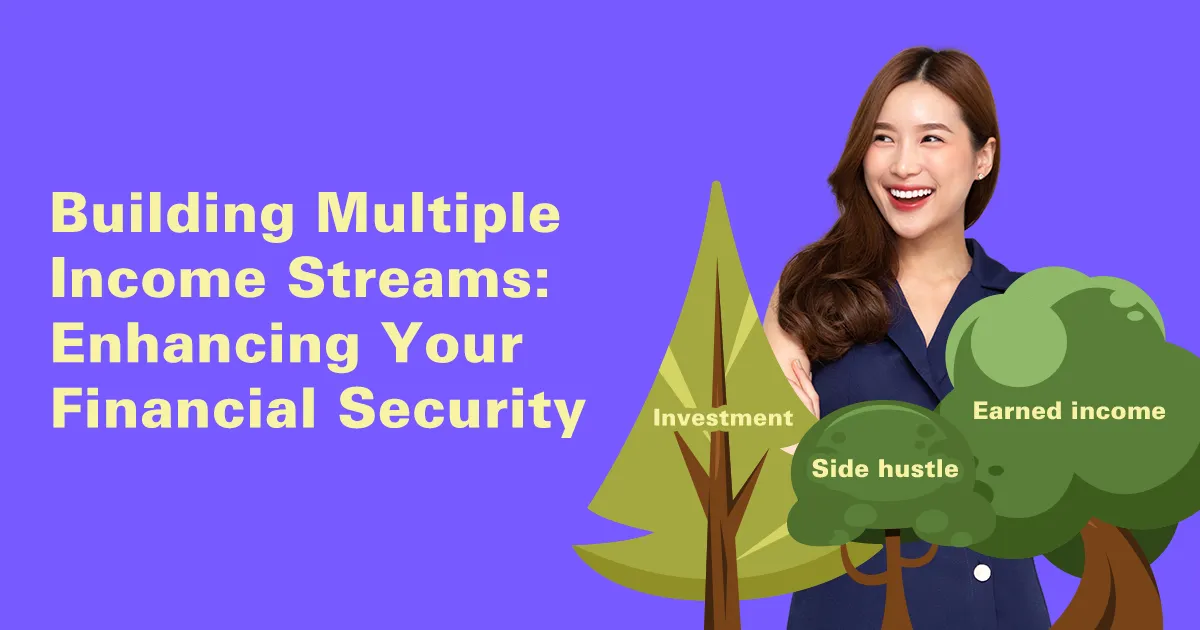
Relying on a single source of income can leave you vulnerable to financial instability. Diversifying your income streams can provide greater flexibility and help you build wealth faster. Consider side gigs, freelancing, or investing in passive income opportunities such as rental properties, dividend stocks, or online businesses.
For instance, if you're a graphic designer, you could offer your services on platforms like Upwork while also selling digital templates on Etsy. Similarly, investing in index funds or real estate can generate consistent returns over time. The key is to find ways to earn additional income without compromising your primary job or personal well-being.
Invest Strategically and Consistently

Investing is one of the most powerful tools for building long-term financial security. According to a 2025 report by the National Institute on Retirement Security, individuals who start investing early and consistently are significantly more likely to achieve financial independence. The key is to start small and stay committed.
Diversify your portfolio to manage risk. Consider a mix of assets such as stocks, bonds, mutual funds, and real estate. Automating your investments can help you stay disciplined and avoid emotional decisions during market fluctuations. Even small, regular contributions can grow substantially over time due to compound interest.
Eliminate Debt Aggressively
High-interest debt, such as credit card balances, can derail your financial plans and prevent you from building wealth. Create a debt repayment strategy that prioritizes the accounts with the highest interest rates. Methods like the avalanche or snowball approach can help you pay off debt efficiently.
Avoid accumulating new debt by living within your means and using credit responsibly. Every dollar you save by avoiding debt is a dollar you can use to invest or build your emergency fund. As you become debt-free, you'll have more resources to allocate toward your financial goals.
Build an Emergency Fund
An emergency fund is essential for protecting yourself from unexpected financial setbacks. Aim to save at least three to six months' worth of living expenses in a separate, easily accessible account. This fund acts as a safety net, preventing you from dipping into your retirement savings or taking on new debt during crises.
Automate your savings to make it easier to build this fund over time. Even small, regular contributions can add up quickly. Remember, the purpose of an emergency fund is to provide peace of mind, so avoid using it for non-essential expenses.
Plan for Healthcare Costs
Healthcare is one of the largest expenses in retirement. According to the Employee Benefits Research Institute, the average retired couple may need around $315,000 to cover healthcare costs. Planning ahead can help you avoid financial strain later in life.
Consider opening a Health Savings Account (HSA), which offers tax advantages and can be used for qualified medical expenses. Additionally, research insurance options and understand how your healthcare costs will change as you age. Having a plan in place ensures that you can maintain your quality of life without compromising your financial security.
Maintain Flexibility in Your Plan
Life is unpredictable, and your financial plan should reflect that. Be open to adjusting your goals, investments, and timelines as circumstances change. Flexibility allows you to adapt to new challenges without losing sight of your long-term vision.
Regularly review your financial strategy and make adjustments as needed. This might involve reallocating investments, changing your budget, or exploring new income opportunities. Staying adaptable ensures that you remain on track toward financial security, even when faced with unexpected obstacles.
Align Lifestyle with Core Values
Living in alignment with your values ensures that your financial decisions reflect what truly matters to you. Identify your priorities—whether it's family, travel, or personal growth—and shape your retirement plan around them. This alignment makes sacrifices more meaningful and sustainable.
Evaluate your current habits and eliminate activities that don't align with your values. Focus on experiences that bring lasting fulfillment and reduce unnecessary expenses. Simplifying your lifestyle often leads to greater financial freedom and a more fulfilling retirement.
Commit to Regular Financial Checkups
Regular financial checkups help you stay on top of your progress and make informed decisions. Review your investments, expenses, and goals quarterly or annually. These assessments can highlight areas where you're excelling and where you may need to improve.
Set specific benchmarks for each review to maintain focus and clarity. Seek input from trusted advisors to validate your findings and recommendations. Consistent evaluations keep your financial plan dynamic and adaptable, ensuring that you stay on track toward your goals.
Support Your Goals with Healthy Habits
Healthy habits play a crucial role in maintaining financial security. A balanced diet, regular exercise, and stress management improve your physical and mental well-being, reducing healthcare costs and increasing your ability to work and enjoy retirement.
Incorporate activities like walking, yoga, or meditation into your daily routine. Monitor your health through regular checkups and preventive care. Prioritizing wellness helps maintain energy and focus, allowing you to achieve your financial goals with greater ease.
Conclusion
Creating financial security for life is a journey that requires discipline, planning, and adaptability. By defining clear goals, maximizing income, investing strategically, and maintaining healthy habits, you can build a stable and prosperous future. Remember, the key to success lies in consistency and ongoing learning.
Start today by taking small, actionable steps toward your financial goals. With determination and the right strategies, you can achieve the financial security you deserve. The path to a secure and fulfilling life is within your reach—now is the time to take control.
Post a Comment for "How to Create Financial Security for Life: A Comprehensive Guide"
Post a Comment