How to Automate Reliable Cash Flow for Your Business
In today’s fast-paced business environment, reliable cash flow isn’t just a financial goal—it’s a lifeline. For small and medium-sized enterprises (SMEs), managing cash flow effectively can mean the difference between thriving and surviving. Yet, many businesses still rely on outdated methods like manual spreadsheets or reactive financial planning, which can lead to errors, inefficiencies, and missed opportunities. The good news is that automating your cash flow processes can transform how you manage money, offering real-time insights, reducing human error, and enabling smarter decision-making.
This article explores how to automate reliable cash flow for your business, covering everything from identifying the right tools to implementing strategic changes that support long-term financial health.
Why Automating Cash Flow Forecasting Matters
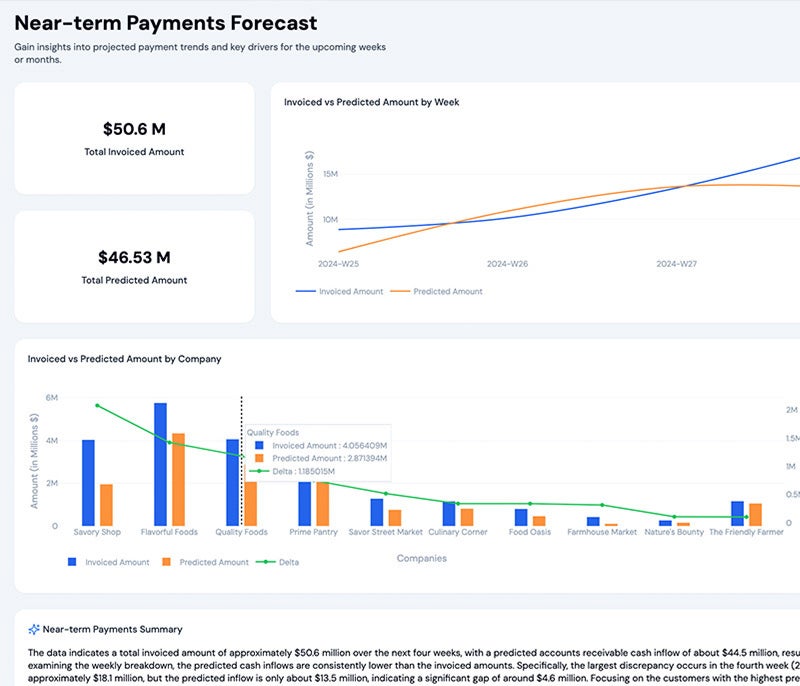
Cash flow forecasting is more than just tracking income and expenses—it’s about anticipating future financial needs and making proactive decisions. When businesses rely on manual processes, they’re essentially playing catch-up, reacting to financial gaps instead of preventing them. This can lead to costly mistakes, such as missing payroll, overspending on inventory, or failing to secure necessary funding.
Automating cash flow forecasting provides real-time visibility into your financial position, allowing you to make informed decisions quickly. It reduces the risk of errors, streamlines data integration, and gives you the ability to simulate different financial scenarios. This level of control is especially important in 2025, where digital transformation is reshaping how businesses operate.
Start by Auditing Your Existing Process
Before jumping into automation, it’s crucial to understand where your current process stands. Take a close look at how you track cash inflows and outflows. Are you manually entering data from multiple sources? Do you struggle with reconciling accounts or predicting shortfalls?
Identify the pain points: Are there repetitive tasks that could be automated? Is there a lack of real-time visibility into your cash position? Document every step of your current workflow, and pinpoint areas where automation can add value. This audit will help you choose the right tools and set realistic goals for improvement.
Choosing the Right Cash Flow Software
The market is filled with cash flow management tools, but not all are created equal. When selecting software, consider the following features:
- Real-time data integration: Ensure the tool pulls data directly from your bank accounts, ERP systems, and other financial platforms.
- Scenario planning: Look for tools that allow you to model different financial outcomes based on variables like revenue fluctuations or delayed payments.
- Automation capabilities: Choose a platform that minimizes manual entry and automates reconciliation, categorization, and reporting.
- Multi-entity and multi-currency support: If your business operates across regions or handles international transactions, the software should accommodate those needs.
Tools like Obol, Zoho Books, and CredFlow offer these features, helping businesses streamline their financial operations while maintaining accuracy and efficiency.
Eliminate Manual Tasks and Human Error
Manual data entry is one of the biggest causes of financial inaccuracies. It slows down your team, increases the likelihood of errors, and creates bottlenecks in your forecasting process. By automating these tasks, you free up time for your finance team to focus on strategic planning rather than data entry.
For example, automated invoicing and payment systems can ensure that bills are sent and received on time, reducing the risk of late payments. Similarly, real-time updates on cash positions allow you to adjust budgets and forecasts as needed, avoiding last-minute surprises.
Get Real-Time Visibility Into Your Cash Position
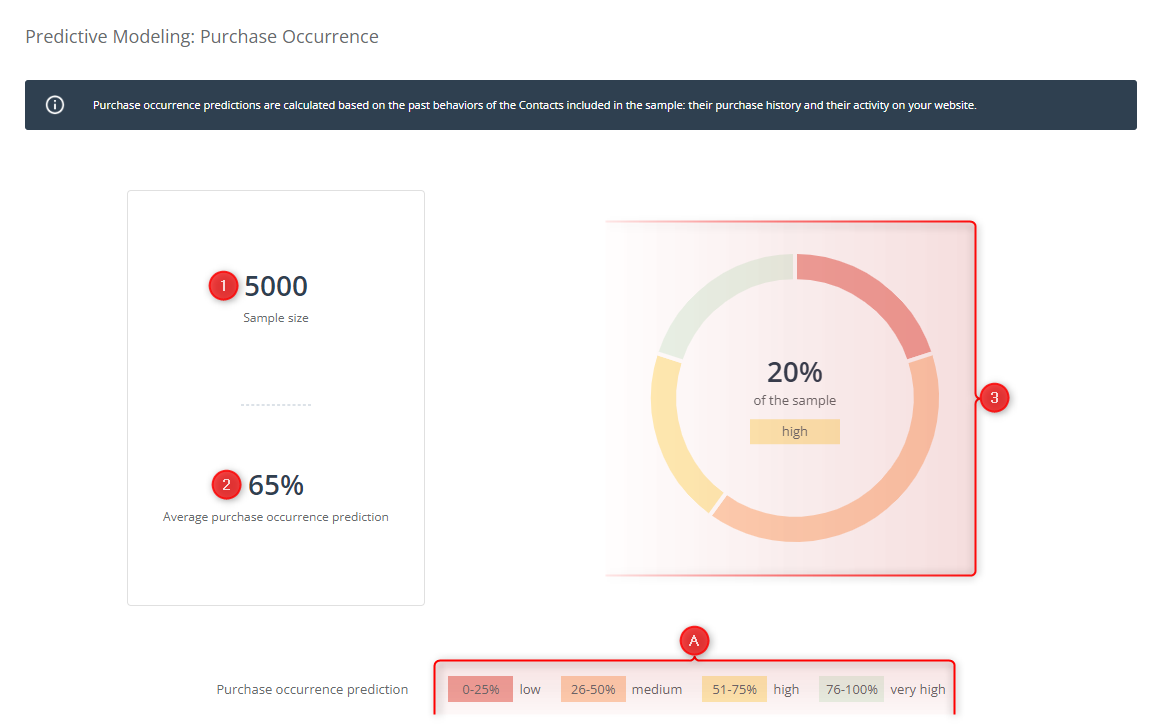
One of the most powerful benefits of automation is real-time visibility. With traditional methods, you might only have a snapshot of your financial health once a month. But with an automated system, you can monitor daily cash flows, track incoming and outgoing funds, and anticipate potential shortfalls before they become crises.
This level of transparency allows you to stay ahead of payroll, supplier payments, and capital expenditures. It also enables you to respond quickly to changes in the market, ensuring that your business remains agile and resilient.
Training Finance Teams to Adopt Automation
Technology alone isn’t enough—your team must be equipped to use it effectively. Invest in training programs that teach your finance professionals how to interpret real-time data, run scenario analyses, and integrate automation into their workflows.
Encourage a culture of continuous learning and adaptability. When your team understands the value of automation, they’re more likely to embrace it, leading to better adoption and more accurate financial planning.
Integrate Across Your Financial Systems
To maximize the benefits of automation, ensure that your cash flow software integrates seamlessly with your accounting tools, payroll systems, and banking platforms. A unified system provides a single source of truth, eliminating silos and improving data accuracy.
For instance, integrating your cash flow tool with QuickBooks or TallyPrime ensures that all financial data is consistent and up-to-date. This not only saves time but also reduces the risk of discrepancies that can lead to poor decision-making.
Strategic Planning Becomes Easier
With reliable automation in place, strategic planning becomes part of your routine. Instead of scrambling to address cash flow gaps after the fact, you can model different scenarios and make data-driven decisions. Can you afford to invest in new equipment? Should you expand your team? What happens if revenue drops by 10% next quarter?
Automated forecasting tools provide the clarity needed to answer these questions confidently. They help you build a roadmap for growth, ensuring that your business is always prepared for the future.
Simulate, Stress-Test, and Scenario Plan
One of the most valuable aspects of automation is its ability to simulate different financial outcomes. Whether you’re testing the impact of a delayed payment or evaluating the risks of a new project, these simulations help you identify potential issues before they arise.
By stress-testing your cash flow models, you can build buffers, adjust strategies, and avoid costly mistakes. This proactive approach is essential in today’s unpredictable business climate, where flexibility and foresight can make all the difference.
Measure the ROI of Automation
Investing in cash flow automation isn’t just about saving time—it’s about protecting your bottom line. Track key metrics such as:
- Time saved from manual tasks
- Reduction in errors and rework
- Improved forecast accuracy
- Better decision-making outcomes
These metrics will help you quantify the value of automation and justify further investment in financial technology.
Overcome the Cultural Shift
Change can be challenging, especially when it comes to adopting new tools and processes. To ease the transition, involve your team early in the selection and implementation process. Clearly communicate the benefits of automation, and create a supportive environment that encourages experimentation and feedback.
When your team sees the positive impact of automation—like faster reporting, fewer errors, and better decision-making—they’ll be more likely to embrace it.
The Future of Cash Flow Automation
As we move further into 2025, the role of automation in cash flow management will only grow. Emerging technologies like machine learning and predictive analytics are already enhancing forecasting capabilities, allowing businesses to spot anomalies, predict trends, and optimize financial strategies.
Businesses that adopt these advancements early will gain a competitive edge, staying ahead of market shifts and positioning themselves for long-term success.
Common Questions or Practical Insights
Q: How do I know if my business needs cash flow automation?
A: If you’re struggling with manual data entry, inconsistent forecasts, or frequent cash flow shortfalls, automation could be the solution.
Q: What are the top tools for cash flow automation?
A: Tools like Obol, Zoho Books, and CredFlow offer robust features for real-time tracking, forecasting, and integration.
Q: Can automation really improve my business’s financial health?
A: Yes. Automation reduces errors, improves visibility, and enables proactive decision-making, all of which contribute to stronger financial performance.
Conclusion
Automating reliable cash flow is no longer a luxury—it’s a necessity for businesses looking to thrive in today’s dynamic economy. By leveraging the right tools, embracing automation, and fostering a culture of financial agility, you can transform how your business manages money.
Whether you're a startup or an established SME, the benefits of automation are clear: greater efficiency, improved accuracy, and the ability to make smarter, data-driven decisions. As the financial landscape continues to evolve, those who adapt will be the ones who succeed.

Post a Comment for "How to Automate Reliable Cash Flow for Your Business"
Post a Comment