How to Attain Genuine Financial Power: A Step-by-Step Guide
In a world where financial uncertainty is a constant, the idea of attaining genuine financial power feels like a distant dream for many. Yet, with the right mindset and actionable steps, it’s not only achievable but also within reach. Financial power isn’t just about having money—it’s about control, freedom, and the ability to shape your future on your own terms. Whether you're starting from scratch or looking to refine your existing strategy, this guide will walk you through the essential steps to build lasting financial strength.
The Foundation: Shifting Your Mindset

Financial empowerment begins in the mind. It's easy to fall into the trap of thinking that wealth is something that happens to others, not to you. But the truth is, your mindset shapes your reality. Research shows that people who believe they can achieve financial success are more likely to take action and make decisions that lead to it.
One of the most powerful shifts you can make is to view money as a tool rather than a goal. Instead of seeing it as something to be hoarded, think of it as a means to create opportunities—whether that’s funding your dreams, building a legacy, or simply living without stress. This perspective opens the door to new possibilities.
Eric Tippetts, a successful entrepreneur, often emphasizes that mindset is the first step in any journey toward financial freedom. He suggests starting with small, consistent actions, such as setting clear financial goals and celebrating progress along the way. These habits lay the groundwork for long-term success.
Visualizing Abundance

Visualization is a powerful tool that can help you align your actions with your goals. When you close your eyes and picture a future where financial worries are a thing of the past, you’re not just daydreaming—you’re programming your brain to seek out opportunities and take action. Studies have shown that visualization can increase motivation and focus, making it easier to stay on track.
But how do you visualize effectively? Start by creating a clear image of what financial freedom looks like for you. Is it owning a home, retiring early, or building a business? Write it down, talk about it, and let it become a part of your daily routine. The more vivid your vision, the more likely you’ll be to act on it.
Embracing Calculated Risks
Fear of risk is one of the biggest barriers to financial growth. Many people avoid investing, starting a business, or taking on new opportunities because they’re afraid of failure. But the truth is, every major success story involves some level of risk. The key is to take calculated risks—those that are well-researched, planned, and aligned with your goals.
For example, instead of jumping into a high-risk investment without understanding the market, take the time to learn about different options and consult with experts. This approach minimizes the chance of loss while maximizing potential gains. As Eric Tippetts points out, even the most successful entrepreneurs started with small, brave steps. The difference between them and others is that they were willing to take those steps.
Learning from Mistakes
Mistakes are inevitable, but they don’t have to define your financial journey. In fact, they can be some of your greatest teachers. Every misstep provides valuable insights that can help you make better decisions in the future. The key is to approach mistakes with a growth mindset—viewing them as opportunities to learn rather than as failures.
Many successful individuals credit their achievements to the lessons learned from past errors. They don’t dwell on setbacks; instead, they use them as stepping stones. So, when you face a financial challenge, ask yourself: What did I learn from this? How can I apply this knowledge moving forward?
Continuous Learning for Personal Growth
The world of finance is constantly evolving, and staying informed is crucial for long-term success. Whether it’s learning about new investment strategies, understanding tax laws, or exploring emerging trends, continuous learning keeps you adaptable and prepared for change.
Eric Tippetts emphasizes that lifelong learning is a cornerstone of personal and financial growth. He recommends setting aside time each day to read, attend webinars, or connect with other professionals. The more you know, the more equipped you are to make informed decisions and seize opportunities.
Celebrating Small Wins
Big wins are exciting, but small victories are equally important. Recognizing and celebrating these moments builds confidence and keeps you motivated. Each small win is a step closer to your larger goals, and acknowledging them reinforces positive behavior.
For instance, if you’ve been saving consistently and finally reach a savings milestone, take a moment to celebrate. This practice not only boosts your morale but also helps you stay focused on your long-term vision. Remember, every great journey is made up of small steps.
Creating a Plan
A solid financial plan is the foundation of genuine financial power. It gives you clarity on where you are, where you want to go, and how you’ll get there. Start by outlining your short-term, medium-term, and long-term goals. Then, break them down into actionable steps.
Whether you’re planning for retirement, investing in real estate, or building an emergency fund, a well-structured plan ensures you’re always moving in the right direction. And don’t forget to review and adjust your plan regularly—life changes, and so should your financial strategy.
Saving First, Spending Later
One of the simplest yet most effective ways to build financial power is to save first and spend later. This means prioritizing your savings before paying for expenses. By doing so, you ensure that you’re consistently building wealth rather than just covering costs.
Financially empowered individuals understand that relying on willpower alone isn’t enough. They use automated savings tools and set up systems that make saving effortless. This habit not only helps them reach their goals faster but also reduces the stress of managing finances.
Owning Your Finances
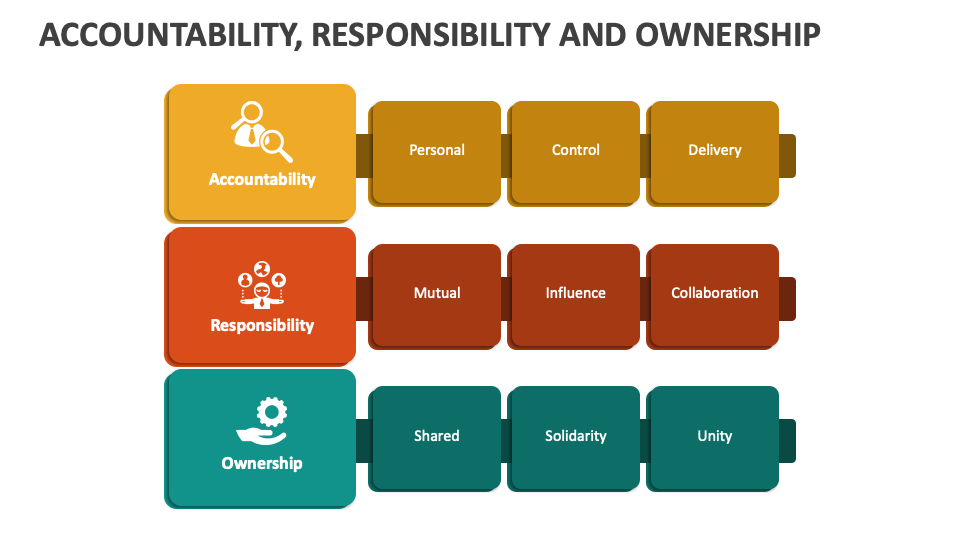
Taking control of your finances is a crucial step toward financial empowerment. This means being aware of where your money is coming from, where it’s going, and how it’s being managed. It also involves understanding your investments and ensuring that your financial decisions align with your values and goals.
Regular discussions with your partner or family about financial matters can help you stay on the same page and avoid misunderstandings. Ultimately, owning your finances means taking responsibility for your financial future and making informed decisions that reflect your priorities.
Making the Financial Market Your Friend
Investing is one of the most powerful ways to grow your wealth. Whether it’s stocks, bonds, real estate, or alternative assets, a diversified portfolio can provide long-term stability and growth. The power of compounding ensures that your earnings generate more earnings over time, creating a snowball effect.
In today’s world, where women earn 24% less than men on average, smart investing becomes even more critical. By making informed choices and staying committed to your investment strategy, you can build a secure financial future that supports your goals and aspirations.
Speaking Up and Advocating for Yourself
Being financially empowered means advocating for yourself and your needs. This includes asking questions, seeking clarity, and refusing to accept misleading information. It also means challenging the financial industry to serve you better, whether that’s through personalized advice, transparent products, or fair practices.
By speaking up, you not only protect yourself but also contribute to a broader movement for financial equality and transparency. Your voice matters, and your willingness to engage with the financial system can lead to meaningful change.
Going for Balance
Balance is key to sustainable financial success. It means finding a middle ground between spending and saving, between immediate gratification and long-term rewards. Financially empowered individuals understand that you don’t need to deprive yourself to build wealth—they simply make thoughtful choices that align with their goals.
This balance extends to your investment portfolios, your budgeting habits, and your overall approach to money management. By maintaining this equilibrium, you create a financial foundation that supports both your present and future needs.
Conclusion
Attaining genuine financial power is not about overnight success or quick fixes. It’s about making consistent, informed decisions that align with your values and goals. From shifting your mindset to creating a solid plan, from embracing calculated risks to celebrating small wins, each step contributes to a stronger, more resilient financial future.
As you continue on this journey, remember that financial empowerment is a process—one that requires patience, persistence, and a commitment to growth. By taking these steps and staying focused on your vision, you’ll not only build financial strength but also gain the freedom and confidence to live life on your own terms.

Post a Comment for "How to Attain Genuine Financial Power: A Step-by-Step Guide"
Post a Comment