How to Achieve Genuine Financial Security: A Step-by-Step Guide
Financial security is more than just having a certain amount of money in the bank. It’s about having the confidence and flexibility to live life on your own terms, without the constant worry of not making ends meet. For many Americans, achieving genuine financial security feels like an elusive goal—especially with rising costs, unpredictable job markets, and the ever-present pressure to keep up with the latest trends. But it’s not impossible. With the right mindset, tools, and strategies, anyone can build a solid foundation for long-term stability.
The journey to financial security begins with understanding what it truly means. According to recent studies, many Americans are unprepared for retirement, with only 40% having enough saved to cover even basic living expenses. This gap highlights the importance of taking proactive steps now rather than waiting for the “perfect” moment.
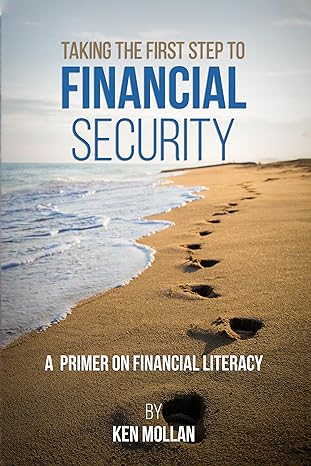
Step 1: Define Your Financial Goals

Before you can start building financial security, you need a clear sense of where you want to go. What does financial security mean to you? For some, it might be the ability to retire early; for others, it could mean being able to afford a home or support their family without stress. The key is to set specific, measurable goals that align with your values and lifestyle.
Start by outlining both short-term and long-term objectives. Short-term goals might include paying off credit card debt or building an emergency fund, while long-term goals could involve saving for retirement or purchasing a home. Use these goals as a roadmap to guide your spending, saving, and investing decisions.
Step 2: Create a Realistic Budget
One of the most effective ways to achieve financial security is to create and stick to a budget. A budget helps you track your income and expenses, ensuring that you’re not overspending and that you’re consistently saving for the future.
There are several budgeting methods you can use, such as the 50/30/20 rule, which divides your after-tax income into three categories: 50% for needs (rent, utilities, groceries), 30% for wants (entertainment, dining out), and 20% for savings and debt repayment. Alternatively, you can use a zero-based budget, where every dollar is assigned a purpose.
The goal is to make sure that your spending aligns with your financial goals. If you find yourself consistently overspending, it may be time to reassess your habits and adjust your budget accordingly.
Step 3: Pay Off High-Interest Debt
Debt can be one of the biggest obstacles to financial security, especially high-interest debt like credit cards. These debts can accumulate quickly, making it difficult to save for the future.
To tackle this, focus on paying off high-interest debt first. Consider using the avalanche method, where you pay off the debt with the highest interest rate first, or the snowball method, where you start with the smallest balance to build momentum. Either way, the goal is to eliminate debt as quickly as possible so that you can redirect those funds toward savings and investments.
Step 4: Automate Your Savings

One of the easiest ways to build financial security is to automate your savings. By setting up automatic transfers from your checking account to your savings or investment accounts, you ensure that you’re consistently saving without having to remember to do it manually.
Aim to save at least 15% of your pre-tax income for retirement, as recommended by Fidelity. This includes contributions to employer-sponsored plans like 401(k)s, as well as individual retirement accounts (IRAs). Automating these contributions ensures that you’re building wealth over time, taking advantage of compound interest and market growth.
Step 5: Invest Wisely
Investing is a powerful tool for building long-term financial security. While it may seem intimidating, even small, consistent investments can grow significantly over time. Start by learning the basics of investing, such as diversification and risk management.
Consider opening an online brokerage account to begin investing in stocks, bonds, or mutual funds. Diversifying your portfolio helps reduce risk, ensuring that your investments aren’t overly dependent on a single asset class. As you gain experience, you can explore more advanced strategies, such as robo-advisors or index funds.
Step 6: Monitor Your Credit Score
Your credit score plays a significant role in your financial health. It affects your ability to secure loans, get favorable interest rates, and even land a job. To maintain a strong credit score, make sure to pay all bills on time, keep credit card balances low, and avoid opening too many new accounts at once.
You can check your credit report for free once a year through AnnualCreditReport.com. Reviewing your report regularly allows you to catch any errors or fraudulent activity early, helping you maintain control over your financial reputation.
Step 7: Live Within Your Means
Living within your means is essential for long-term financial security. This doesn’t mean you have to live a Spartan lifestyle, but it does require making conscious choices about how you spend your money.
Focus on distinguishing between needs and wants. Prioritize essential expenses like housing, food, and healthcare, while being mindful of discretionary spending. Adopting a modest lifestyle can help you save more, reduce debt, and build a stronger financial foundation.
Step 8: Seek Professional Guidance
While it’s possible to manage your finances on your own, working with a financial advisor can provide valuable insights and personalized strategies. A qualified professional can help you navigate complex topics like retirement planning, tax optimization, and estate planning.
When choosing a financial advisor, look for someone who is certified and has a good track record. Check their credentials through resources like FINRA BrokerCheck to ensure they are trustworthy and experienced.
Conclusion
Achieving genuine financial security is a journey that requires discipline, planning, and ongoing effort. It’s not about becoming wealthy overnight, but rather about making smart choices that allow you to live confidently and comfortably. By setting clear goals, managing your budget, reducing debt, and investing wisely, you can build a stable financial future that supports your dreams and aspirations.
Remember, the key to financial security is consistency. Small, regular actions add up over time, and with the right approach, you can create a life of financial freedom and peace of mind. Start today, and take control of your financial future.

Post a Comment for "How to Achieve Genuine Financial Security: A Step-by-Step Guide"
Post a Comment