How E-Commerce Can Drive Significant Prosperity for Businesses
In the bustling heart of a small town, a local retailer once struggled to keep up with the rising costs of maintaining a physical storefront. Despite offering quality products and personalized service, sales remained stagnant. Then came the digital shift—e-commerce. Within months, the same business saw a dramatic increase in sales, customer reach, and profitability. This is not an isolated story; it’s a growing trend across the United States and beyond. E-commerce for significant prosperity is no longer just a possibility—it’s a reality reshaping the way businesses operate and thrive.
E-commerce has become a powerful tool for businesses of all sizes, enabling them to reach global markets, reduce overhead costs, and create scalable models that drive long-term growth. As technology continues to evolve, so too does the potential for e-commerce to unlock new levels of success. In this article, we’ll explore how e-commerce can be a catalyst for significant prosperity, looking at its impact on businesses, the role of logistics, and the future of online retail.
The Rise of E-Commerce as a Driver of Prosperity

The rise of e-commerce has been nothing short of transformative. According to recent data from the U.S. Census Bureau, e-commerce sales accounted for over 15% of total retail sales in 2025, a significant jump from just 6% in 2019. This surge is fueled by changing consumer behaviors, increased internet penetration, and the convenience of shopping from anywhere, anytime.
For businesses, this shift means access to a vast customer base without the limitations of physical locations. Startups and small enterprises can now compete with established brands by leveraging digital platforms. A bakery in Ohio, for example, can sell its pastries to customers in California through an online store, expanding its market far beyond what was previously possible.
Moreover, e-commerce allows businesses to collect valuable data on consumer preferences, which can be used to refine marketing strategies, improve product offerings, and enhance the overall customer experience. This data-driven approach leads to more informed decision-making and, ultimately, greater profitability.
Logistics: The Backbone of E-Commerce Success
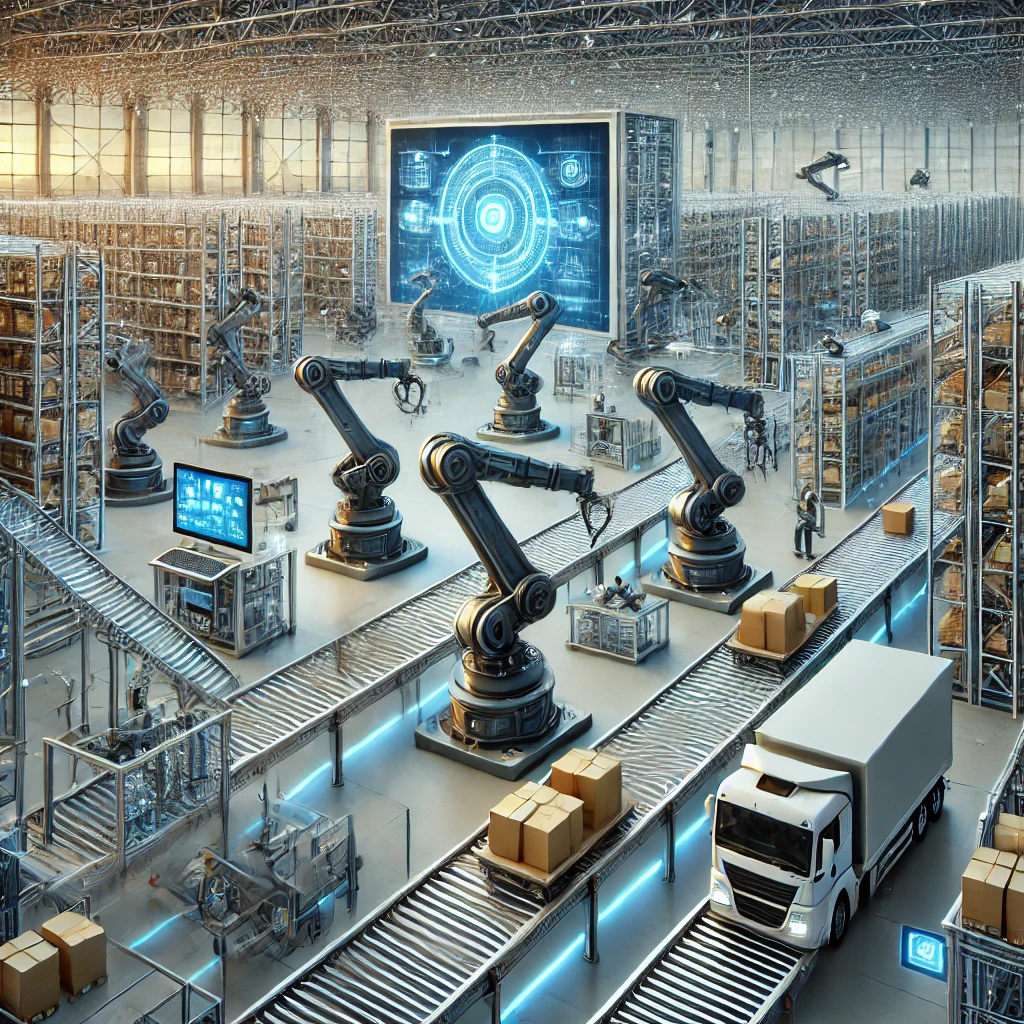
While the digital front-end of e-commerce is often the focus, the logistics behind it are equally critical. Efficient and reliable delivery systems are essential for maintaining customer satisfaction and ensuring repeat business. In the U.S., the logistics sector has seen significant investment and innovation, driven largely by the demands of e-commerce.
According to a 2025 report by McKinsey & Company, the U.S. logistics industry is expected to grow by 7% annually over the next five years, with e-commerce playing a central role. Companies like Amazon, UPS, and FedEx have invested heavily in automation, warehouse optimization, and last-mile delivery solutions to meet the growing demand.
For businesses, partnering with reliable logistics providers or investing in their own distribution networks can lead to faster delivery times, lower costs, and improved customer retention. For example, a small clothing brand might use a third-party fulfillment service to handle inventory and shipping, allowing it to focus on product development and marketing.
The Role of Technology in Enhancing E-Commerce

Technology is the engine that powers e-commerce, enabling businesses to streamline operations, personalize experiences, and scale efficiently. From AI-powered chatbots to blockchain-based payment systems, the tools available today are transforming the way businesses interact with customers.
One of the most impactful technologies is artificial intelligence (AI). AI can analyze customer behavior, predict trends, and automate tasks such as inventory management and customer support. This not only improves efficiency but also enhances the customer experience, leading to higher conversion rates and loyalty.
Another key advancement is the integration of augmented reality (AR) and virtual reality (VR) into e-commerce platforms. These technologies allow customers to visualize products in their own environment before making a purchase, reducing return rates and increasing confidence in online shopping.
Challenges and Opportunities in the E-Commerce Landscape
Despite its many benefits, e-commerce is not without its challenges. Competition is fierce, and standing out in a crowded market requires creativity, adaptability, and a deep understanding of customer needs. Additionally, issues such as cybersecurity threats, supply chain disruptions, and regulatory compliance can pose significant hurdles.
However, these challenges also present opportunities for innovation and growth. Businesses that invest in robust security measures, diversify their supply chains, and stay ahead of regulatory changes are better positioned to succeed in the long term.
For instance, a company that faces supply chain delays can pivot to local sourcing or develop alternative distribution channels, ensuring continuity and customer satisfaction. Similarly, businesses that prioritize data privacy and transparency can build trust with customers, leading to stronger brand loyalty.
The Future of E-Commerce: Trends to Watch
Looking ahead, several trends are set to shape the future of e-commerce in the U.S. and globally. One of the most notable is the rise of social commerce, where platforms like Instagram and TikTok are becoming major sales channels. This trend allows businesses to engage with customers directly, driving conversions through influencer partnerships and shoppable posts.
Another emerging trend is the use of voice commerce, where consumers can make purchases using voice-activated devices like Amazon Alexa or Google Assistant. With the increasing adoption of smart speakers and other voice-enabled devices, this could become a significant revenue stream for businesses.
Additionally, the concept of "buy now, pay later" (BNPL) is gaining traction, offering customers flexible payment options that can boost sales and customer satisfaction. As more consumers embrace this model, businesses that integrate BNPL services into their platforms will likely see increased transaction volumes.
Common Questions and Practical Insights
Q: How can small businesses compete with large e-commerce giants?
A: Small businesses can differentiate themselves by focusing on niche markets, personalization, and exceptional customer service. Building a strong brand identity and leveraging social media can also help level the playing field.
Q: What are the key factors for a successful e-commerce business?
A: A successful e-commerce business requires a user-friendly website, effective marketing strategies, reliable logistics, and a deep understanding of customer needs. Investing in technology and continuously analyzing performance data are also crucial.
Q: How can businesses ensure secure transactions?
A: Implementing SSL certificates, using trusted payment gateways, and educating customers about online safety can help protect both the business and its customers from fraud and data breaches.
Conclusion
E-commerce for significant prosperity is not just a trend—it's a movement that is redefining the business landscape. By embracing digital tools, optimizing logistics, and staying ahead of technological advancements, businesses can unlock new opportunities for growth and success. As the e-commerce ecosystem continues to evolve, those who adapt and innovate will be the ones to thrive in this dynamic and competitive environment.
Whether you're a startup founder, a small business owner, or a seasoned entrepreneur, the potential for prosperity through e-commerce is vast. By leveraging the right strategies, technologies, and partnerships, you can turn your vision into a thriving online business that stands the test of time.

Post a Comment for "How E-Commerce Can Drive Significant Prosperity for Businesses"
Post a Comment