How Dividend Income Can Fuel Long-Term Prosperity
In an era where financial stability is increasingly tied to smart investment strategies, dividend income has emerged as a powerful tool for building long-term prosperity. While many investors focus on capital appreciation, the consistent and reliable nature of dividends can provide a steady stream of income that supports both short-term needs and long-term goals. This article explores how dividend income can be leveraged to achieve lasting financial success, drawing on current trends, practical insights, and real-world examples.
The Power of Dividend Income
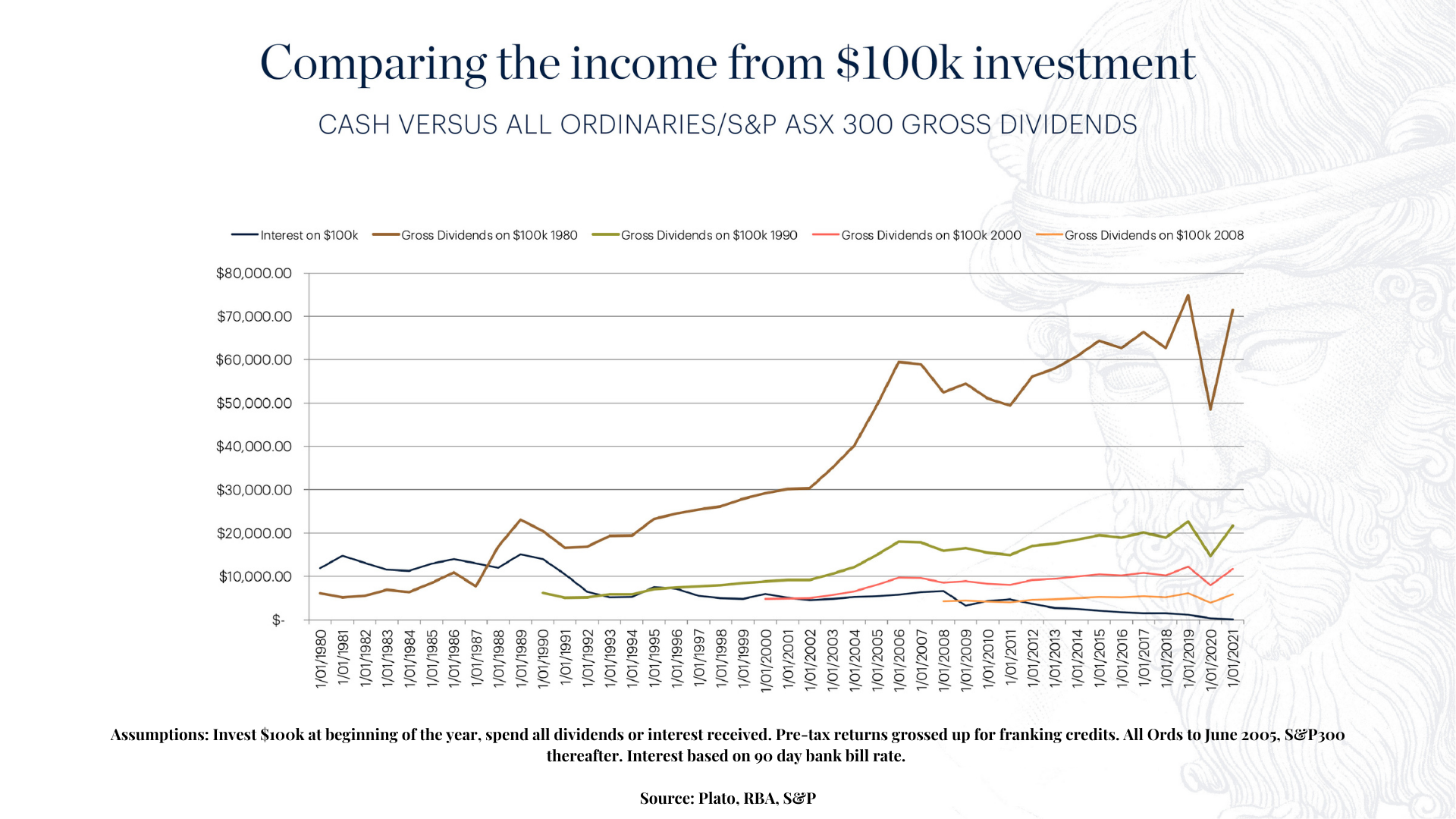
Dividend income is more than just a bonus; it's a critical component of a well-rounded investment strategy. When companies distribute a portion of their earnings to shareholders, it not only rewards investors but also signals financial health and stability. For those seeking to build wealth over time, dividends offer a unique advantage: they can be reinvested to purchase additional shares, which in turn generate more dividends. This compounding effect can significantly boost portfolio growth, especially when combined with other income sources like real estate or retirement accounts.
According to Morningstar, a 4% withdrawal rate from a $1.5 million to $2.5 million portfolio can generate between $60,000 and $80,000 annually. This range includes income from various sources, including dividends. For example, a $100,000 investment in dividend-paying stocks could yield $3,000 to $5,000 per year, depending on the company’s payout ratio and market performance. When paired with other income streams, such as rental properties that generate $20,000 to $30,000 annually, the total can provide a solid foundation for early retirement or financial independence.
Diversification and Risk Management

One of the key advantages of dividend investing is its potential for diversification. By spreading investments across different sectors and industries, investors can reduce risk and increase the likelihood of consistent returns. For instance, while technology companies may offer high-growth potential, utility and consumer staples sectors often provide stable, predictable dividends that can serve as a buffer during market downturns.
Moreover, dividend stocks are not immune to market volatility, but they tend to be less sensitive to short-term fluctuations compared to non-dividend-paying stocks. This is because companies that pay dividends typically have strong balance sheets and sustainable business models. As a result, even in challenging economic environments, these stocks can provide a degree of stability that other investments may lack.
Choosing the Right Dividend Stocks
Selecting the right dividend stocks requires careful analysis and a long-term perspective. While high-yield stocks may seem attractive, they often come with higher risks. A better approach is to focus on companies with a history of consistent dividend increases, strong financial fundamentals, and a reasonable payout ratio. A payout ratio below 40% is generally considered sustainable, as it indicates that the company is not overextending itself to maintain its dividend.
Additionally, investors should consider the company’s ability to generate free cash flow, which is essential for sustaining dividends over time. Companies with robust cash flow can weather economic downturns and continue to reward shareholders even when profits decline. Tools like the U.S. News online screener can help identify dividend stocks that meet these criteria, allowing investors to make informed decisions.
The Role of Dividend Reinvestment Plans (DRIPs)

One of the most effective ways to maximize the benefits of dividend income is through dividend reinvestment plans (DRIPs). These plans automatically reinvest dividends into additional shares of the stock, allowing investors to compound their returns without incurring transaction fees. Over time, this can lead to significant growth, as each reinvested dividend increases the number of shares owned, which in turn generates more dividends.
For example, an investor who reinvests $5,000 in dividends over 10 years could see their portfolio grow substantially, especially if the underlying stocks continue to perform well. This compounding effect is particularly powerful when combined with a disciplined investment strategy and regular contributions.
Balancing Dividends with Other Income Sources
While dividend income is valuable, it should not be the sole source of income for long-term prosperity. A well-rounded financial plan should include multiple income streams, such as real estate, pensions, and part-time work. This diversification helps protect against the risks associated with any single investment or market condition.
For instance, a retiree might rely on a combination of dividend income, rental property cash flow, and Social Security to support their lifestyle. By balancing these sources, they can create a more resilient financial foundation that can withstand economic shifts and unexpected challenges.
Addressing Common Misconceptions
Despite its benefits, dividend investing is often misunderstood. One common misconception is that dividend stocks are only suitable for retirees. In reality, younger investors can also benefit from dividend income by reinvesting their dividends to build wealth over time. Additionally, some investors believe that high-yield stocks are always the best choice, but this is not necessarily true. A lower-yield stock with a strong track record of dividend growth can be more valuable in the long run.
Another misconception is that dividend income is taxed at the same rate as ordinary income. However, qualified dividends are taxed at a lower rate, making them more tax-efficient than other forms of income. This advantage can be particularly beneficial for investors in higher tax brackets.
The Future of Dividend Investing
As the financial landscape continues to evolve, so too does the role of dividend income. With the rise of artificial intelligence and automation, the importance of passive income sources like dividends is likely to increase. Investors who adapt to these changes and embrace a diversified, long-term approach will be better positioned to achieve lasting prosperity.
Moreover, the integration of ethical considerations into investment strategies is becoming increasingly important. Companies that prioritize sustainability, transparency, and social responsibility are more likely to attract long-term investors and maintain stable dividend payments. This shift underscores the growing importance of values-based investing in the modern financial world.
Conclusion
Dividend income offers a powerful pathway to long-term prosperity, combining the benefits of regular returns with the potential for compounding growth. By carefully selecting dividend stocks, diversifying income sources, and leveraging tools like DRIPs, investors can build a resilient financial foundation that supports their goals over time. Whether you're planning for retirement, seeking financial independence, or simply looking to grow your wealth, dividend income can play a vital role in achieving lasting success.

Post a Comment for "How Dividend Income Can Fuel Long-Term Prosperity"
Post a Comment