10 Actionable Steps to Achieve Financial Affluence and Long-Term Wealth
In a world where financial uncertainty is more prevalent than ever, achieving affluence isn’t just about having money—it’s about creating a life of freedom, security, and purpose. The path to financial affluence requires a blend of discipline, strategic thinking, and long-term planning. Whether you're just starting out or looking to accelerate your wealth-building journey, these 10 actionable steps can help you create lasting financial success.
Identify and Acknowledge Obstacles
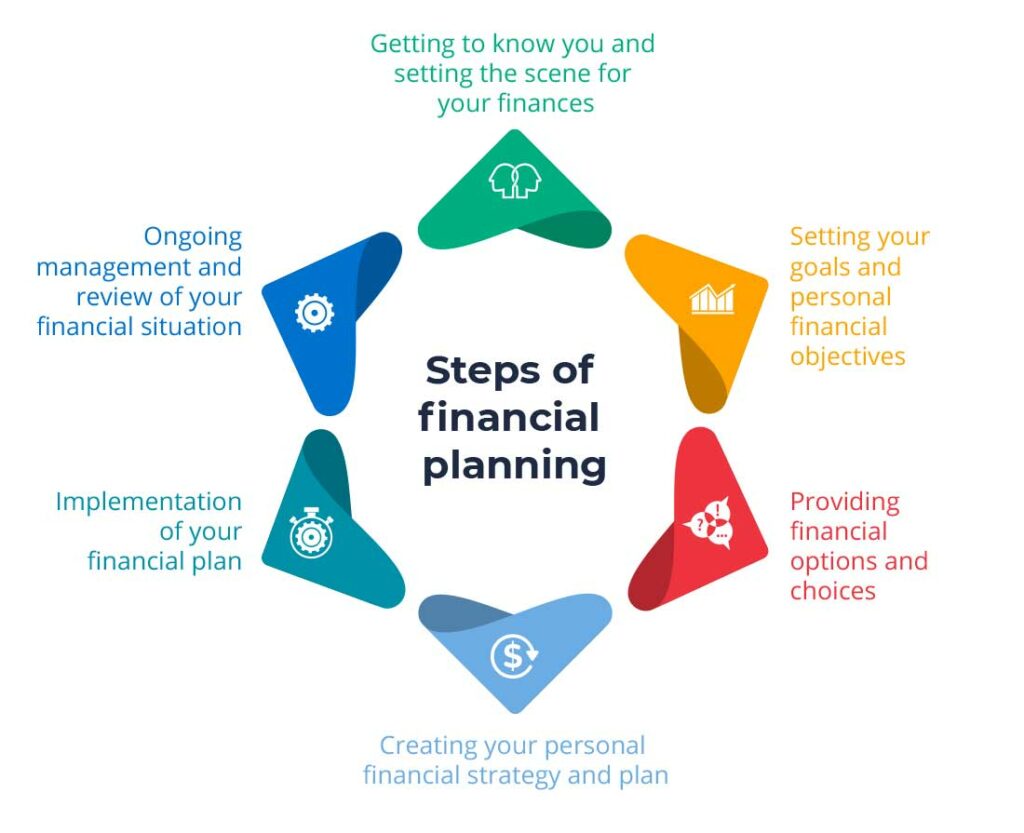
Financial affluence doesn’t happen by accident. It begins with recognizing the obstacles that stand in your way. These could be things like high debt, inconsistent income, lack of financial education, or even limiting beliefs about money. Take time to reflect on what’s holding you back. Are you avoiding investing because you don’t understand it? Is your spending pattern preventing you from saving? By acknowledging these challenges, you take the first step toward overcoming them. Break down each obstacle into smaller, manageable parts and focus on solutions rather than the negative impact they have on your goals.
Prioritize Obstacles

Not all obstacles are created equal. Some may have a greater impact on your financial goals than others. For example, if you’re carrying high-interest credit card debt, that should take priority over a minor budgeting issue. Use a scoring system to rank obstacles based on their severity and potential impact. Allocate your time, energy, and resources accordingly. This prioritization helps ensure that you’re addressing the most critical issues first, which can lead to faster progress and greater confidence.
Develop Creative Solutions
Once you’ve identified and prioritized your obstacles, it’s time to brainstorm creative solutions. Don’t limit yourself to conventional approaches. Think outside the box—what if you could automate your savings? Or find a side hustle that complements your main income? Seek input from others who have successfully navigated similar challenges. Sometimes, a fresh perspective can reveal strategies you hadn’t considered. Embrace unconventional methods, whether it's leveraging technology, exploring new investment opportunities, or rethinking your approach to budgeting.
Set Realistic Sub-Goals
Breaking down your main financial goal into smaller, achievable sub-goals makes the journey less overwhelming. For instance, if your goal is to retire early, set sub-goals like increasing your savings rate, paying off debt, or building an emergency fund. Assign deadlines to each sub-goal and track your progress regularly. Celebrate small victories along the way to maintain motivation. These milestones not only keep you on track but also reinforce the belief that you’re capable of achieving long-term financial success.
Seek Support and Accountability

No one builds wealth in isolation. Surround yourself with people who support your financial aspirations. This could include a financial advisor, a mentor, or a community of like-minded individuals. Join online forums, attend workshops, or participate in local networking events to gain insights and stay motivated. Accountability is key—share your progress with someone you trust. Knowing that others are aware of your goals can push you to stay committed, especially when challenges arise.
Adapt and Adjust
Flexibility is essential in any financial journey. Markets change, personal circumstances evolve, and unexpected events can disrupt even the best-laid plans. Stay open to adjusting your strategies as needed. If a particular investment isn’t performing as expected, consider diversifying your portfolio. If your income fluctuates, revisit your budget and explore ways to increase your earning potential. The ability to adapt ensures that you remain on course, even when the path isn’t perfectly clear.
Focus on the Growth Mindset
A growth mindset is crucial for long-term financial success. Instead of viewing obstacles as roadblocks, see them as opportunities for learning and improvement. Every setback is a chance to refine your approach and become more resilient. Embrace feedback, whether it comes from a mentor, a financial advisor, or your own reflections. Continuously seek knowledge about personal finance, investing, and wealth-building strategies. The more you learn, the better equipped you’ll be to make informed decisions.
Practice Self-Reflection
Regular self-reflection helps you stay aligned with your financial goals. Take time to evaluate your progress, identify areas for improvement, and celebrate your successes. Ask yourself questions like, “Am I making consistent progress toward my goals?” or “What habits are helping me build wealth, and which ones need to change?” This practice keeps you grounded and focused, ensuring that you’re always moving forward.
Stay Patient and Persistent
Building financial affluence takes time, and it’s not a straight line. There will be ups and downs, and setbacks are inevitable. However, persistence is what separates those who achieve long-term wealth from those who give up. Stay committed to your plan, even when results aren’t immediate. Remember that compound interest, disciplined saving, and smart investing can turn small efforts into significant outcomes over time.
Reframe Negative Thoughts
Negative thoughts can derail your financial progress. Replace self-limiting beliefs with positive affirmations. Instead of thinking, “I’ll never be rich,” tell yourself, “I am building a future of financial freedom.” Focus on your strengths and the progress you’ve already made. A positive mindset not only boosts your confidence but also attracts better opportunities and outcomes.
Common Questions or Practical Insights
Q: How do I know if I’m on the right track toward financial affluence?
A: Track your progress using tools like budgeting apps, net worth calculators, or financial dashboards. Consistent savings, growing investments, and reduced debt are strong indicators of progress.
Q: What if I face unexpected financial challenges?
A: Build an emergency fund and maintain a diversified portfolio. Having a safety net and multiple income streams can help you weather financial storms without derailing your long-term goals.
Q: Can I achieve financial affluence without a high income?
A: Yes. Affluence is more about financial habits and mindset than income level. With discipline, smart investing, and a focus on long-term growth, anyone can build wealth regardless of their starting point.
Conclusion
Achieving financial affluence is a journey that requires intention, strategy, and perseverance. By identifying and addressing obstacles, setting realistic goals, seeking support, and maintaining a growth mindset, you can build a life of financial freedom and security. Remember, affluence isn’t just about having money—it’s about having the power to live according to your values and aspirations. With the right steps and mindset, you can create a future that’s not only financially stable but also deeply fulfilling.

Post a Comment for "10 Actionable Steps to Achieve Financial Affluence and Long-Term Wealth"
Post a Comment