The Ultimate Financial Freedom Blueprint: Achieve Long-Term Wealth and Independence
In today’s fast-paced world, the concept of financial freedom has taken on new meaning. It’s no longer just about having enough money to live comfortably—it’s about having the power to choose how you want to live your life. For many, the journey to financial independence is a long and winding road filled with challenges, but it’s also one that can lead to a more fulfilling existence. This article explores the ultimate financial freedom blueprint, offering insights and strategies that can help you build lasting wealth and achieve true independence.
Understanding the Concept of Financial Freedom
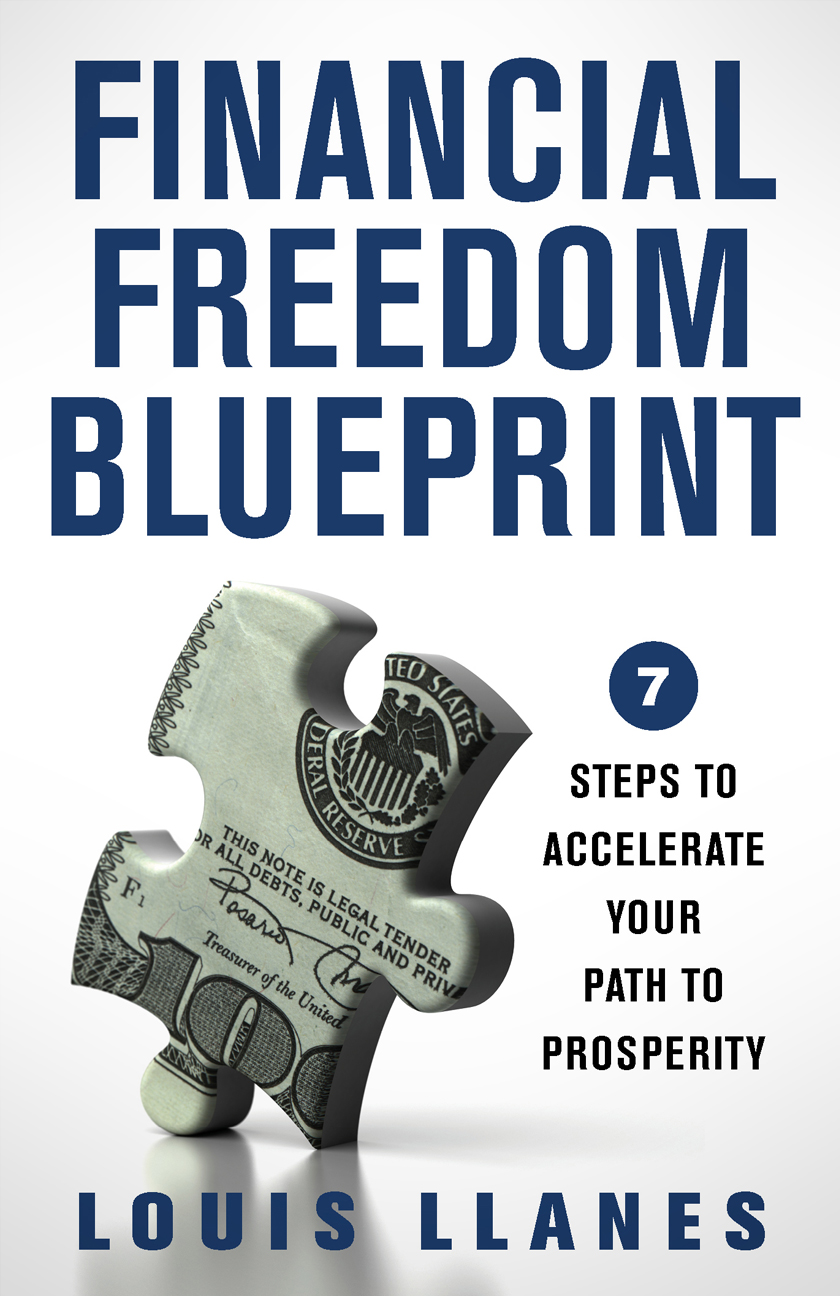
Financial freedom is often misunderstood as simply having a large amount of money. However, the reality is far more nuanced. At its core, financial freedom means having the ability to make choices that align with your values and aspirations without being constrained by financial limitations. It’s about creating a life where you’re not working for money, but rather using money to support the life you want.
Consider the couple in their mid-40s who spent years wondering if they’d ever be able to retire. They had saved diligently, made smart financial decisions, and lived below their means. Yet, they were still unsure if they were on the right path. It wasn’t until they reviewed their financial plan and aligned it with their life goals that they realized the true meaning of financial freedom. For them, it was about having the flexibility to spend time with family, prioritize health, travel, and engage in philanthropy. Their happiness came from knowing they had the resources to pursue what truly mattered to them.
Building a Foundation for Financial Freedom
Achieving financial freedom requires a solid foundation. This includes understanding your current financial situation, setting clear goals, and developing a plan to reach those goals. One of the first steps in this process is to assess your income, expenses, and savings. This will give you a clear picture of where you stand financially and help you identify areas where you can improve.
Creating a budget is an essential part of this process. A budget allows you to track your spending, identify unnecessary expenses, and allocate funds toward your financial goals. It’s also a powerful tool for building an emergency fund, which is crucial for financial stability. An emergency fund provides a safety net in case of unexpected expenses or job loss, helping you avoid debt and maintain your financial progress.
Another key component of building a foundation for financial freedom is investing. While saving is important, investing is what allows your money to grow over time. By investing wisely, you can take advantage of compound interest and market growth, which can significantly increase your wealth in the long run.
The Power of Automation in Financial Planning
One of the most effective strategies for achieving financial freedom is automation. Setting up automatic transfers from your paycheck or bank account to your investment or retirement accounts can help you stay consistent with your financial goals. This approach eliminates the temptation to skip contributions and ensures that you’re consistently building your wealth.
For example, many employers offer 401(k) plans that allow you to set up automatic contributions. By automating these contributions, you can ensure that you’re consistently saving for retirement without having to remember to do it manually. Additionally, some employers offer automatic percentage increases, which can help you gradually increase your contributions over time.
Automation also extends to other investment accounts, such as brokerage accounts, HSAs, and 529 savings plans. By setting up automatic investments, you can take advantage of dollar-cost averaging, which involves investing a fixed amount at regular intervals regardless of market conditions. This strategy can help reduce the impact of market volatility and provide a more stable return over time.
Embracing a Mindset of Financial Discipline
While automation and planning are essential, achieving financial freedom also requires a mindset of discipline. This means making conscious decisions about your spending, avoiding debt, and prioritizing long-term goals over short-term gratification. It’s about understanding that every financial decision you make has an impact on your future.
One of the biggest challenges in maintaining financial discipline is resisting the urge to overspend. In today’s consumer-driven society, it’s easy to fall into the trap of buying things you don’t need. However, by staying focused on your financial goals and regularly reviewing your budget, you can make more informed decisions about your spending.
Another aspect of financial discipline is managing debt effectively. High-interest debt, such as credit card debt, can quickly derail your financial progress. By paying off high-interest debt as quickly as possible and avoiding unnecessary debt, you can free up more money to invest and save.
The Role of Education and Continuous Learning
Financial freedom is not a destination but a continuous journey. As markets change and new opportunities arise, it’s essential to stay informed and educated about personal finance. This includes understanding different investment options, tax strategies, and retirement planning tools.
Investopedia, founded in 1999, has been a valuable resource for people seeking to improve their financial outcomes. Whether you're a beginner learning about money for the first time or an experienced investor looking to refine your skills, Investopedia offers a wealth of information to help you make informed decisions.
Continuous learning is also crucial for adapting to changing economic conditions. For example, in 2025, the financial landscape is expected to see increased emphasis on sustainable investing, digital currencies, and personalized financial planning. Staying ahead of these trends can help you make better financial decisions and position yourself for long-term success.
Common Questions and Practical Insights
What is the difference between financial freedom and financial independence?
Financial freedom is about having the flexibility to make choices that align with your values, while financial independence refers to having enough wealth to cover your living expenses without relying on a traditional job.
How much money do I need to achieve financial freedom?
The amount of money needed varies depending on your lifestyle, expenses, and financial goals. It’s important to create a personalized financial plan that takes into account your unique circumstances.
Can I achieve financial freedom without a high income?
Yes, financial freedom is achievable regardless of your income level. It’s more about how you manage your money and make intentional financial decisions rather than the amount you earn.
What are some common mistakes people make when pursuing financial freedom?
Common mistakes include not having a clear financial plan, failing to automate savings, and not seeking professional advice when needed. Avoiding these pitfalls can significantly improve your chances of achieving financial freedom.
Conclusion
Achieving financial freedom is a journey that requires careful planning, disciplined habits, and a commitment to continuous learning. By building a strong financial foundation, leveraging automation, and embracing a mindset of discipline, you can take control of your financial future and create a life that aligns with your values.
Remember, financial freedom is not about having a specific amount of money—it’s about having the power to choose how you want to live. With the right strategies and mindset, you can unlock the door to a more fulfilling and independent life. Start today, and take the first step toward your ultimate financial freedom blueprint.


Post a Comment for "The Ultimate Financial Freedom Blueprint: Achieve Long-Term Wealth and Independence"
Post a Comment