The Ultimate Advanced Investment Blueprint for Building Long-Term Affluence
In today’s rapidly evolving financial landscape, building long-term affluence requires more than just traditional investment strategies. It demands a comprehensive, well-structured approach that leverages modern tools, disciplined practices, and a deep understanding of wealth preservation. For those seeking to create lasting financial security, an advanced investment blueprint is essential. This article explores the key components of such a strategy, offering insights into how to build and sustain wealth over time.
Understanding the Foundations of Wealth Building
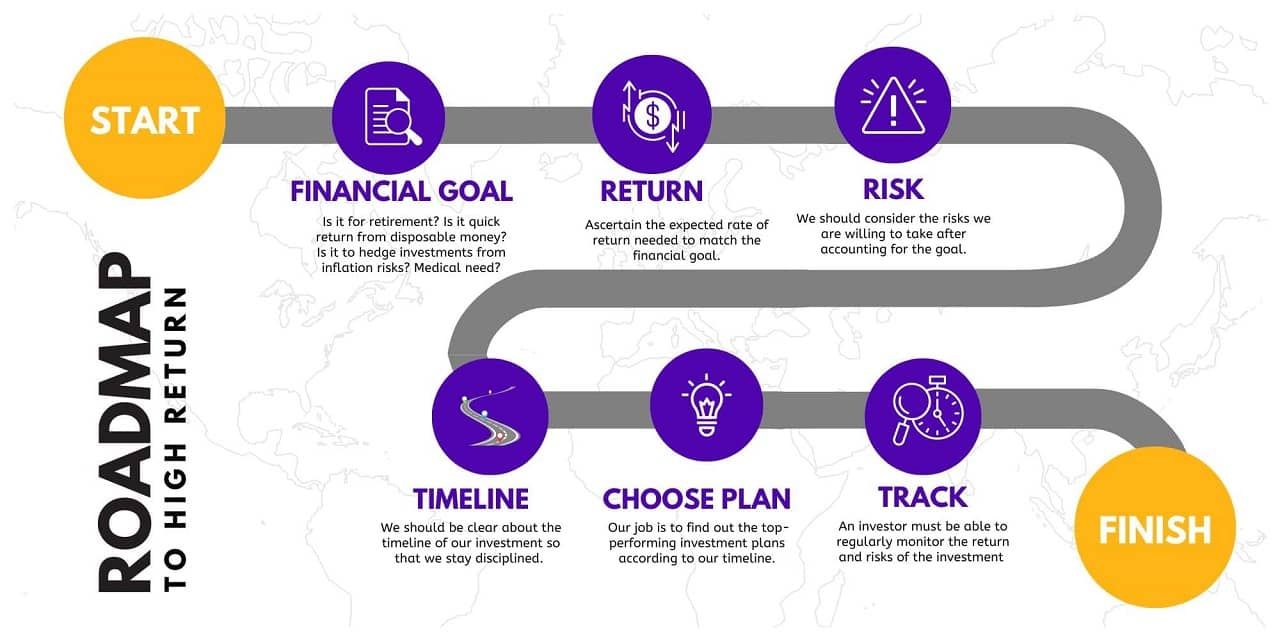
The adage “It takes money to make money” holds true, especially for high-net-worth individuals and families. However, the focus should not only be on accumulating wealth but also on preserving and growing it through strategic planning. According to Bill Smith, a retirement income certified professional (RICP) and founder of W.A. Smith Financial Group, generational wealth is about more than asset growth—it involves tax-efficient management, structured transfers, and ensuring that wealth continues to benefit future generations.
Key Pillars of an Advanced Investment Strategy
-
Financial Literacy and Education
Educating future generations on financial principles is crucial for long-term affluence. High-net-worth families often prioritize teaching their heirs about investments, tax optimization, and wealth stewardship. This ensures that the next generation can make informed decisions and maintain the family’s financial legacy. -
Disciplined Investment Practices
Consistent and strategic investing is the cornerstone of wealth accumulation. Wealthy families invest with foresight, focusing on sustainable returns rather than short-term gains. Their strategies often include generating income, embracing tax-efficient practices, and committing to long-term market approaches. -
Collaborative Financial Team
Managing significant wealth requires a team of experts. A robust financial team typically includes financial planners, tax strategists, estate lawyers, and investment advisors. These professionals work together to ensure that every move aligns with the family’s goals and maximizes tax advantages.
Diversifying Your Portfolio for Stability

Diversification is one of the most effective ways to reduce risk and maximize returns. By spreading investments across different asset classes—such as stocks, bonds, real estate, and commodities—investors can protect themselves from market volatility.
Asset Allocation Strategies
- Stocks: Offer high potential returns but come with higher risk. They are ideal for long-term growth.
- Bonds: Provide stable income and lower risk, making them suitable for conservative investors.
- Real Estate: Offers both rental income and appreciation potential, making it a valuable addition to any portfolio.
- Commodities: Such as gold and oil, act as hedges against inflation and provide diversification benefits.
Risk Management Techniques
Effective risk management involves identifying and mitigating potential threats to your investments. Strategies such as hedging with options and futures, spreading investments across sectors, and maintaining a balanced mix of domestic and international assets can help protect your wealth.
Leveraging Technology and Modern Tools
In today’s digital age, technology plays a critical role in wealth management. Robo-advisors and AI-driven financial tools offer low-cost, automated investment solutions that can optimize asset allocation and provide advanced analytics. Social trading platforms like eToro allow investors to follow and copy the strategies of experienced traders, potentially benefiting from their expertise without extensive market analysis.
Digital Assets and Alternative Investments
Beyond traditional investments, digital assets such as cryptocurrencies and NFTs (non-fungible tokens) have gained traction. These assets offer new opportunities for diversification and growth, though they come with higher volatility. Similarly, alternative investments like private equity and hedge funds can provide unique returns but require careful consideration due to their complexity and risk profiles.
Retirement Planning and Tax-Advantaged Investments
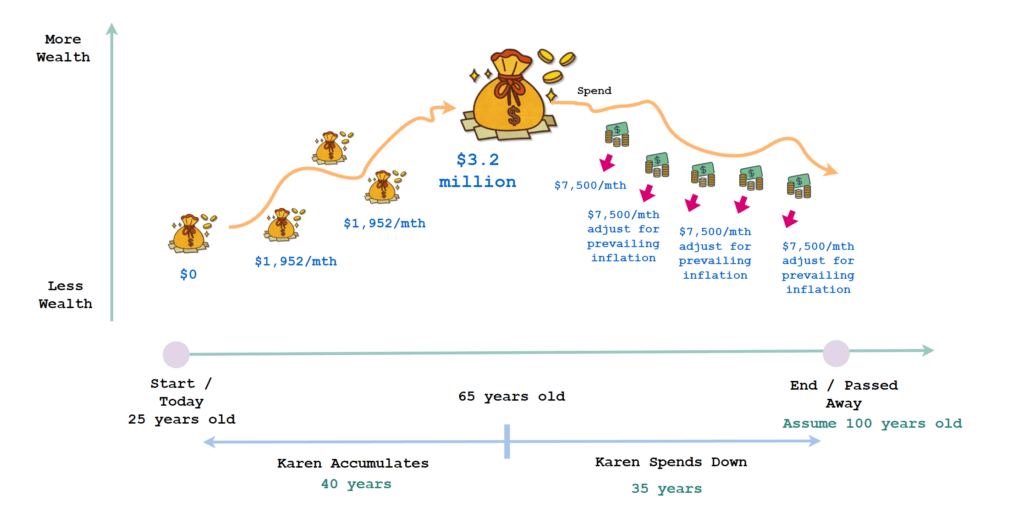
Retirement accounts such as 401(k) plans and IRAs offer significant tax advantages that can enhance long-term wealth. Contributions to these accounts reduce taxable income, and earnings grow tax-deferred or tax-free, depending on the account type. Additionally, tax-loss harvesting and investing in tax-efficient funds can further optimize returns by minimizing tax liabilities.
Long-Term Wealth Preservation
Building long-term affluence also involves strategic wealth transfer planning. Trusts, gifting strategies, and other legal instruments can help preserve wealth while minimizing tax burdens. These methods ensure that assets are passed on efficiently to future generations.
Conclusion
Creating long-term affluence requires a combination of disciplined investing, diversified portfolios, and strategic planning. By leveraging modern tools, staying informed, and working with a collaborative financial team, investors can build and sustain wealth over time. Whether through traditional investments or alternative assets, the key lies in consistency, adaptability, and a commitment to long-term growth.

Post a Comment for "The Ultimate Advanced Investment Blueprint for Building Long-Term Affluence"
Post a Comment