How to Create a Business Communication Framework
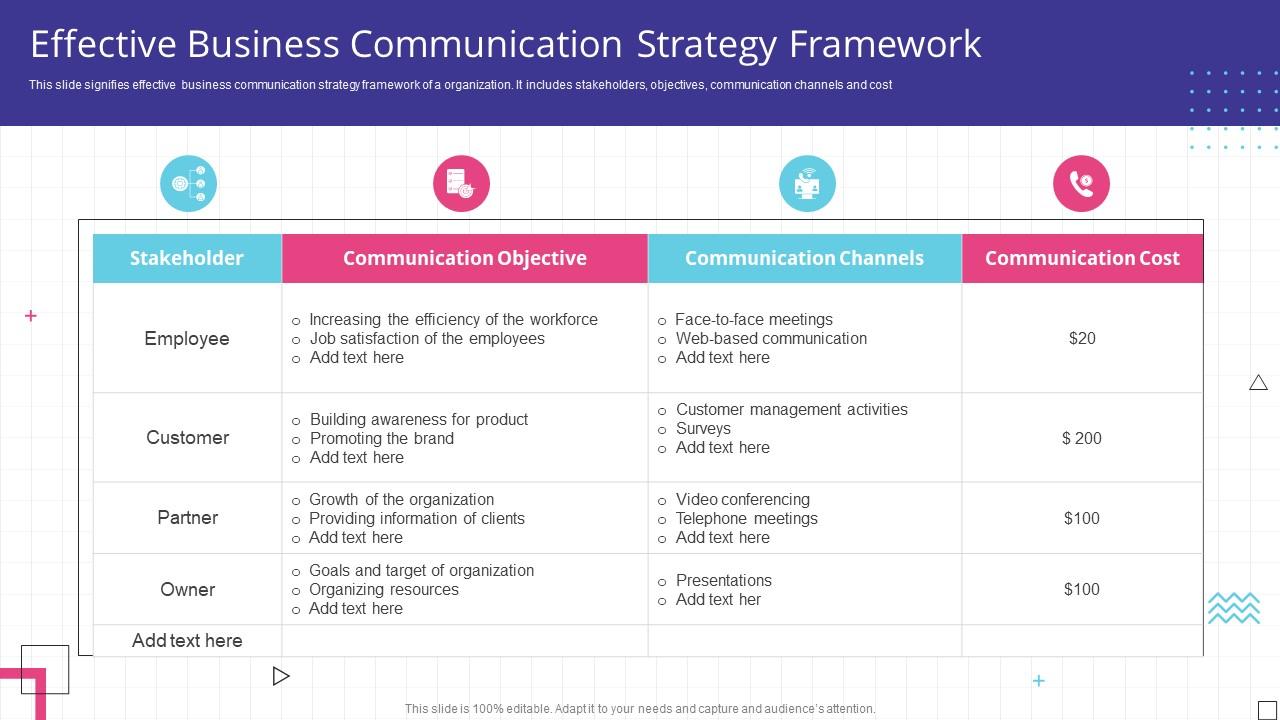
Hello there, communication comrades! Ever feel like your company's communication is more like a game of telephone gone wrong than a well-oiled machine? Information gets distorted, deadlines are missed, and everyone's left feeling a little lost in the shuffle. It's a frustrating experience, but trust me, you're not alone. Many businesses, big and small, struggle with establishing a clear and effective communication framework. Think of it like this: you wouldn’t build a house without a blueprint, right? So why would you run a business without a solid communication plan?
Imagine Sarah, a project manager at a mid-sized marketing agency. Sarah's days were a constant barrage of emails, instant messages, and impromptu meetings. Project requirements were often vague, team members weren't always on the same page, and deadlines were frequently missed. Sound familiar? Sarah’s story isn’t unique. According to recent studies, miscommunication costs companies thousands of dollars per employee, per year! That’s a lot of money down the drain simply because messages aren't being delivered clearly and efficiently.
But what if there was a way to streamline your communication, improve team collaboration, and boost overall productivity? What if you could create a system where everyone knows what they need to do, when they need to do it, and how to communicate effectively with each other? That's where a business communication framework comes in. It's the blueprint for your communication, the foundation upon which you build a culture of clarity and understanding.
Now, before you start picturing complex flowcharts and endless policy manuals, let me reassure you: creating a business communication framework doesn't have to be daunting. In fact, it can be a surprisingly simple and rewarding process. Think of it as building a bridge, connecting your team members and departments with clear, consistent communication channels.
But how do you actually build this bridge? What are the key elements of an effective communication framework? And how can you tailor it to fit the specific needs of your business? Don't worry, we're about to dive deep into the nitty-gritty details. By the end of this article, you'll have a clear roadmap for creating a communication framework that will transform the way your business operates. Intrigued? Then keep reading – your journey to better communication starts now!
How to Create a Business Communication Framework
Creating a solid business communication framework is like setting up the plumbing in a new house – it might not be glamorous, but it's absolutely essential for everything to function smoothly. Without it, you're likely to experience leaks, clogs, and a whole lot of frustration. So, let's roll up our sleeves and get to work!
Define Your Communication Goals
Before you start building anything, you need to know what you're trying to achieve. What are your communication goals? What problems are you trying to solve? This is where you take a step back and really think about what you want to accomplish with your communication framework.
Identify Pain Points: What are the biggest communication challenges your business is currently facing? Is it a lack of clarity around project assignments? Are emails getting lost in the shuffle? Are meetings unproductive and time-consuming? Pinpointing these pain points is the first step in finding the right solutions. For instance, maybe you find that employees are missing deadlines because project scopes aren't clearly defined. Or perhaps you discover that there's a lot of duplicate effort because different departments aren't communicating effectively with each other. Set Measurable Objectives: Once you've identified your pain points, set specific, measurable, achievable, relevant, and time-bound (SMART) goals. Instead of saying "we want to improve communication," try something like "we want to reduce the average project completion time by 15% within the next quarter by improving communication around project requirements." Make sure you can track your progress and measure the impact of your communication framework. Maybe you track the number of support tickets related to miscommunication. Or you could survey employees to gauge their satisfaction with internal communication. Align with Business Objectives:Your communication goals should be aligned with your overall business objectives. How can improved communication contribute to your company's success? Maybe you want to increase sales by improving communication between the sales and marketing teams. Or perhaps you want to improve customer satisfaction by providing faster and more accurate support. When your communication goals are tied to your business objectives, it's easier to get buy-in from stakeholders and demonstrate the value of your communication framework.
Identify Your Target Audiences
Communication isn't a one-size-fits-all approach. What works for one audience might not work for another. It's crucial to identify your target audiences and tailor your communication strategies accordingly. Think about it – you wouldn't talk to your CEO the same way you talk to a new intern, would you?
Internal vs. External: Start by differentiating between internal and external audiences. Internal audiences include your employees, managers, and stakeholders. External audiences include your customers, partners, suppliers, and the general public. Each group has different needs, expectations, and communication preferences. Internal communications might focus on project updates, company announcements, and team building activities. External communications might focus on marketing campaigns, customer service inquiries, and public relations. Segment Your Audiences: Within each category, further segment your audiences based on factors such as department, role, seniority, and communication preferences. For example, the marketing team might prefer visual communication through tools like Slack or Microsoft Teams, while the finance team might prefer more formal email communication. Understanding these preferences will help you choose the right communication channels and tailor your message accordingly. Develop Audience Personas:To better understand your target audiences, create detailed audience personas. Give them names, describe their roles, responsibilities, and communication preferences. What are their goals? What are their pain points? What kind of information do they need? The more you know about your audience, the more effective your communication will be. For instance, you might create a persona for "Sarah, the Project Manager," who needs clear and concise project updates, prefers visual communication, and is always short on time.
Choose the Right Communication Channels
In today's digital age, we have more communication channels than ever before. Email, instant messaging, video conferencing, social media, project management tools – the list goes on and on. The key is to choose the right channels for the right purposes. You don't want to end up with a chaotic mix of communication that leaves everyone feeling overwhelmed.
Evaluate Channel Strengths: Each communication channel has its own strengths and weaknesses. Email is great for formal communication and record-keeping, but it can be slow and inefficient for urgent matters. Instant messaging is great for quick questions and collaboration, but it can be distracting and difficult to track. Video conferencing is great for face-to-face interactions and building relationships, but it can be time-consuming and require scheduling. Establish Channel Guidelines: Create clear guidelines for when to use each communication channel. For example, you might decide that email is the preferred channel for formal announcements, project updates, and external communication. Instant messaging might be reserved for quick questions, urgent matters, and informal team communication. Video conferencing might be used for team meetings, training sessions, and one-on-one check-ins. Integrate Your Channels:Ideally, your communication channels should be integrated with each other. For example, you might integrate your project management tool with your instant messaging platform so that team members can receive notifications about project updates directly in their chat window. Or you might integrate your email marketing platform with your customer relationship management (CRM) system so that you can track customer interactions across different channels. Integration can help you streamline your communication and avoid information silos.
Create Communication Protocols
Once you've chosen your communication channels, you need to establish clear communication protocols. These are the rules of engagement that govern how people should communicate with each other. They help ensure that communication is clear, consistent, and professional.
Define Response Times: Set expectations for response times. How quickly should employees respond to emails, instant messages, and phone calls? Establish different response times for different types of communication. For example, you might require employees to respond to urgent emails within one hour, but allow them up to 24 hours to respond to non-urgent emails. Establish Subject Line Conventions: Create subject line conventions for emails and other communication channels. This helps recipients quickly understand the purpose of the message and prioritize their responses. For example, you might use prefixes like "[URGENT]" or "[ACTION REQUIRED]" to indicate the importance of the message. Or you might use a standard format for project updates, such as "Project X - Weekly Update." Promote Active Listening: Encourage active listening skills among your employees. This means paying attention to what the other person is saying, asking clarifying questions, and summarizing their points to ensure understanding. Active listening can help prevent misunderstandings and improve communication quality. Encourage Constructive Feedback: Create a culture of constructive feedback where employees feel comfortable giving and receiving feedback on their communication skills. This can help identify areas for improvement and promote continuous learning. Provide training on how to give and receive feedback effectively.
Implement Feedback Mechanisms
A business communication framework isn't a static document. It should be continuously evaluated and improved based on feedback from employees and other stakeholders. Implementing feedback mechanisms allows you to identify what's working well, what's not, and how you can make adjustments to improve communication effectiveness.
Conduct Regular Surveys: Conduct regular surveys to gather feedback on your communication framework. Ask employees about their satisfaction with internal communication, their experiences with different communication channels, and their suggestions for improvement. Use anonymous surveys to encourage honest and open feedback. Hold Focus Groups: Hold focus groups with employees from different departments and roles to gather more in-depth feedback on your communication framework. Facilitate discussions about communication challenges, best practices, and opportunities for improvement. Monitor Communication Metrics: Track key communication metrics such as email open rates, click-through rates, response times, and employee engagement. These metrics can provide valuable insights into the effectiveness of your communication framework. Use data analytics tools to identify trends and patterns in your communication data. Establish Open-Door Policy: Encourage employees to provide feedback on an ongoing basis through an open-door policy. Make it clear that you value their input and are committed to making improvements to your communication framework based on their feedback.
By following these steps, you can create a business communication framework that will transform the way your company operates. Remember, communication is the lifeblood of any successful organization. By investing in a solid communication framework, you're investing in the future of your business.
Questions and Answers
Here are some common questions people have about creating a business communication framework:
Q: How often should I review and update my communication framework?
A: At least annually, but ideally every six months. Your business is constantly evolving, and your communication framework should evolve with it. New technologies, changing business priorities, and employee feedback should all be taken into consideration when reviewing and updating your framework.
Q: How do I get buy-in from employees for a new communication framework?
A: Communication is key! Explain the benefits of the framework and how it will make their jobs easier. Involve them in the development process and solicit their feedback. Training and ongoing support are also essential.
Q: What's the best way to enforce communication protocols?
A: Lead by example. Managers should consistently follow the communication protocols and encourage their teams to do the same. Provide regular training and reinforce the importance of effective communication. Consider incorporating communication skills into performance reviews.
Q: What if my business is too small to need a formal communication framework?
A: Even small businesses can benefit from a basic communication framework. It doesn't have to be complex. Even a simple set of guidelines for communication channels and response times can make a big difference in team collaboration and productivity.
Creating a robust business communication framework is crucial in today's dynamic environment. As we've explored, it's more than just a set of guidelines; it's the backbone of how your organization operates, ensuring everyone is aligned and informed. We started by understanding the importance of a clear communication strategy, then dove into the steps of defining goals, identifying audiences, choosing the right channels, and establishing protocols. We also highlighted the necessity of continuous improvement through feedback mechanisms.
Now that you're equipped with this knowledge, it's time to take action! Start by assessing your current communication practices. Identify those pain points that are holding your team back and begin crafting a framework tailored to your specific needs. And finally, remember that communication is a journey, not a destination. Be patient, persistent, and always open to feedback. Building a solid communication framework takes time and effort, but the rewards are well worth it. So, get out there and start building your communication bridge – your team will thank you for it!
Ready to revolutionize your business communication? What are the first three changes you plan to implement based on what you learned today?

Post a Comment for "How to Create a Business Communication Framework"
Post a Comment