How to Achieve Financial Peace of Mind: A Comprehensive Guide
Financial peace of mind is a goal that many people strive for, yet it often feels elusive. The stress of managing money can impact not only your wallet but also your mental and emotional well-being. However, with the right strategies and mindset, you can create a sense of stability and control over your finances. This guide will explore practical steps to help you achieve financial peace of mind.
Understanding the Impact of Financial Stress
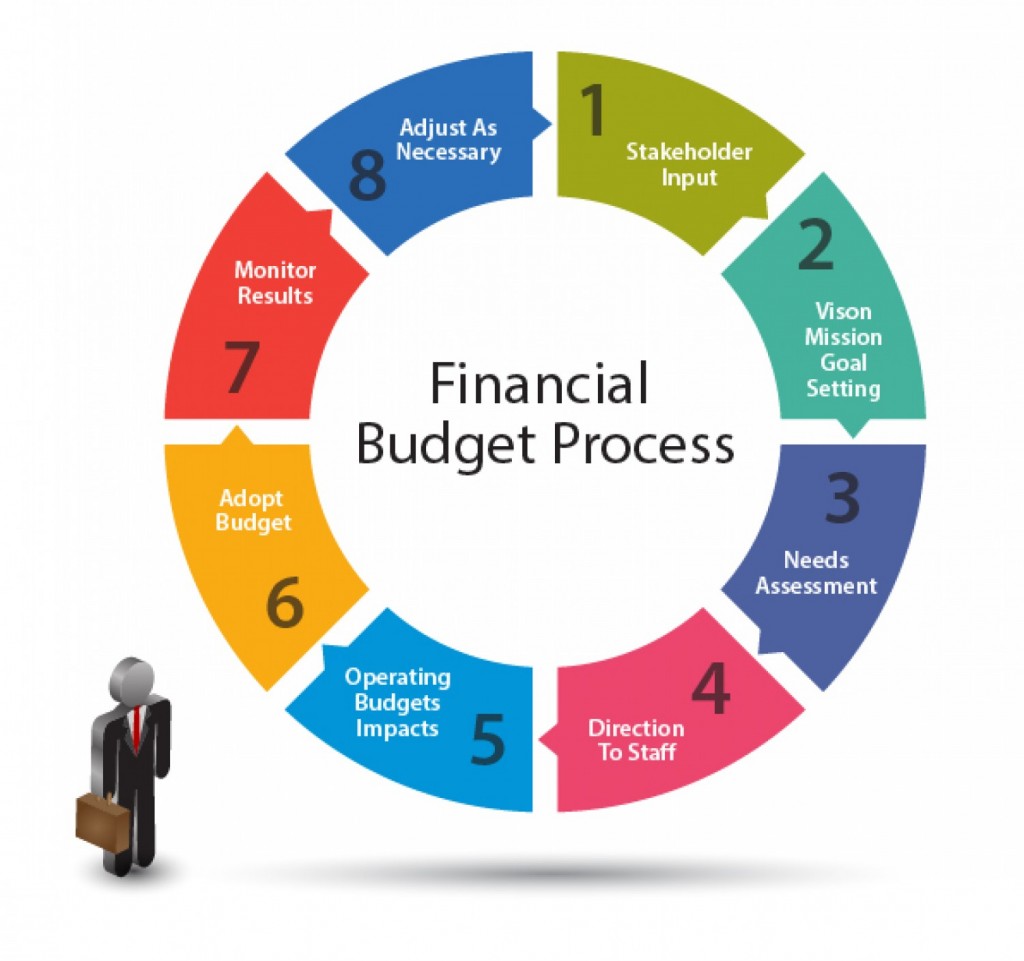
Financial stress can manifest in various ways, from sleepless nights to difficulty focusing on daily tasks. When money feels uncertain, it can affect your self-esteem and overall quality of life. The nervous system may remain on high alert, leading to constant worry and exhaustion. However, it's important to remember that your financial situation does not solely determine your peace. It is shaped by how you relate to your money and the habits you develop.
Key Takeaways:
- Financial stress affects more than just your bank account.
- Clarity and routine create confidence and calm.
- Small steps lead to significant progress over time.
Habits That Help Reduce Financial Stress
Creating a sense of financial peace begins with developing supportive habits. These habits are simple, gentle, and realistic, designed to help you feel more grounded with your money.
1. Create a Simple and Supportive Spending Plan
A spending plan is not about limiting your life; it's about helping you feel calm and informed with your money. Knowing what is coming and where it is going reduces fear of the unknown. You gain clarity, which creates emotional comfort. You can keep your plan very simple by grouping your spending into three categories:
- Needs: Essentials and responsibilities
- Wants: Enjoyment, comfort, and life experiences
- Peace-of-Mind Savings: Even small amounts can help you feel protected
Your goal is not to track every detail perfectly. Your goal is to build awareness. When you understand your spending patterns, you make decisions based on confidence rather than stress.
2. Track What Comes In and What Goes Out

Tracking your income and spending is a powerful way to create emotional clarity. When you can see what is happening with your money, you remove the guesswork that often leads to stress. Awareness helps you make choices with confidence instead of reacting from worry or uncertainty.
Consider checking in once a week and observing, like apps, while others prefer a simple notebook or notes on their phone. What matters most is consistency, not perfection. A helpful question to ask during your weekly review is: “What surprised me this week?” This gentle reflection helps you understand your habits without judgment.
3. Build a Small but Steady Emergency Cushion
An emergency cushion is more than a savings account; it is a sense of security. Knowing you have something set aside, even if it starts very small, can soften your stress in a noticeable way. It sends a message to your mind that you are cared for and prepared. You do not need a large amount to begin. Start with what feels realistic. Even setting aside a few dollars each week creates momentum.
4. Make a Kind and Realistic Plan for Paying Down Debt

Debt can create a heavy emotional burden, especially when it feels confusing or out of control. The key is to approach it with kindness and clarity rather than pressure. Choose one compassionate strategy to guide your progress. Many people find success in the Snowball Method: paying off the smallest balance first to build confidence and momentum. Others prefer the Avalanche Method, focusing on the highest interest rate first to save money long-term.
5. Have a Weekly “Money Check-In” to Stay Grounded
A weekly money check-in is a gentle way to stay connected to your finances without letting them overwhelm you. Think of it as a moment of care, not a chore. When you check in regularly, you prevent small worries from turning into bigger stresses. You stay aware, calm, and in control.
Choose a day and time that feels relaxed for you. Make the environment soothing. Light a candle, play calm music, make tea, or sit by a sunny window. This is a supportive moment, not a stressful one. During your check-in, simply ask yourself:
- What went well this week?
- What felt challenging?
- What small step can I take next?
Bringing It All Together: Your Path to Financial Peace
You have just explored five supportive habits that help reduce financial stress and create more ease in your day-to-day life. Each one works gently on both your mind and your money, helping you feel more grounded, confident, and in control.
Recap of Financial Habits:
- Supportive Spending Plan: Creates clarity and reduces anxiety about money decisions.
- Track Income and Spending: Replaces uncertainty with awareness and confidence.
- Build an Emergency Cushion: Provides a sense of safety and emotional grounding.
- Kind Debt Repayment Strategy: Restores control, self-trust, and emotional relief.
- Weekly Money Check-In: Helps you stay grounded, present, and in control.
Final Thoughts: You Are Capable of Creating Financial Peace
You are not starting from lack. You are starting from strength. Every habit you choose, no matter how small, is a powerful step toward greater security, confidence, and peace of mind. Financial calm is not built through perfection. It is built through steady awareness and compassionate consistency.
You have already demonstrated your courage by learning, pausing, reflecting, and choosing to grow. That matters. You deserve to feel supported by your money. You deserve to feel steady and grounded in your financial situation. And you are fully capable of building that reality for yourself.

Post a Comment for "How to Achieve Financial Peace of Mind: A Comprehensive Guide"
Post a Comment