How Crypto Mining is Shaping the Future of Wealth and Technology
Crypto mining has evolved from a niche hobby into a global industry that is reshaping the landscape of wealth creation and technological innovation. As the demand for digital assets continues to grow, so does the need for efficient and sustainable methods of validating transactions on blockchain networks. This article explores how crypto mining is revolutionizing future wealth, focusing on advancements in technology, economic implications, and the broader impact on society.
The Evolution of Mining Technology
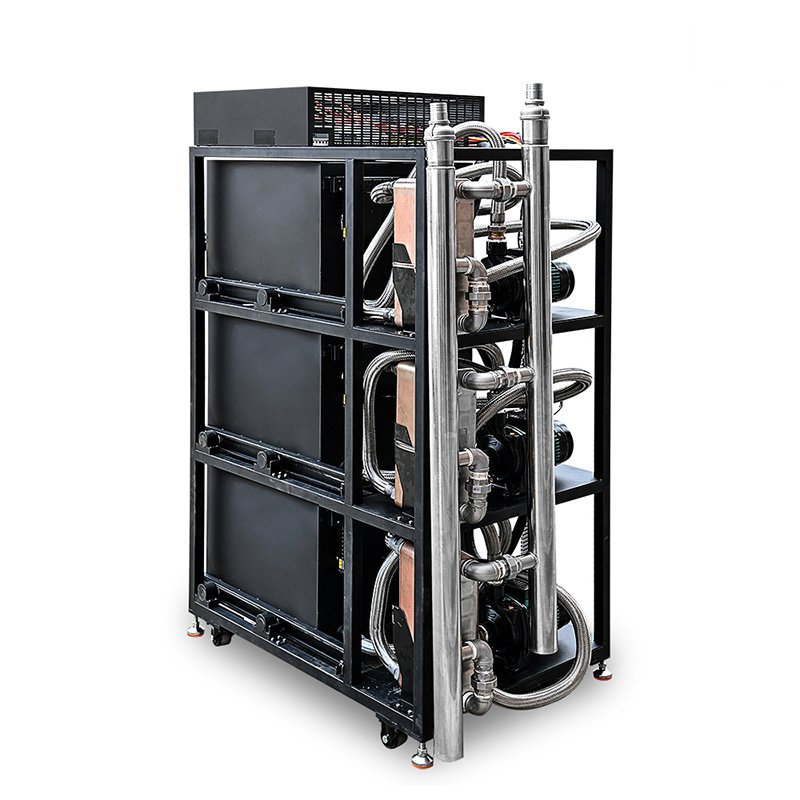
The most significant development in the mining sector has been the advent of application-specific integrated circuits (ASICs). These specialized devices have revolutionized Bitcoin mining by offering substantial improvements in energy efficiency and processing power compared to older methods that relied on general-purpose computer hardware. ASICs allow miners to process transactions faster while consuming less electricity, making them more cost-effective and environmentally friendly.
As the industry moves forward, it is expected that the next generation of ASICs will continue to advance in terms of energy efficiency, performance, and cost-effectiveness. This evolution enables miners to remain competitive while reducing their environmental impact. Additionally, there is growing interest in exploring alternative mining technologies, such as liquid cooling, which involves submerging mining hardware in non-conductive liquid coolant. This innovative approach efficiently dissipates heat, allowing for higher-performance operation with lower energy consumption.
The Economic Drivers of Mining

At its core, cryptocurrency mining is driven by the principle of supply and demand. Miners play a crucial role in securing the network and, in return, are rewarded with newly minted coins. When demand for a cryptocurrency is high and the number of active miners is low, rewards are more attractive. However, as more miners enter the network, competition intensifies, raising mining difficulty and requiring more advanced (and expensive) hardware. This creates a delicate balancing act where mining remains "just profitable enough" to keep participants engaged.
Volatility, energy costs, hardware advancements, mining reward halvings, and regulations all contribute to rapidly changing profits. For instance, the price of Bitcoin can fluctuate dramatically within short periods, affecting the profitability of mining operations. In areas with cheap or renewable energy, cryptocurrencies like Ethereum Classic, Monero, and Ravencoin are often more viable options due to their energy-efficient algorithms.
Regulatory Environment and Global Trends
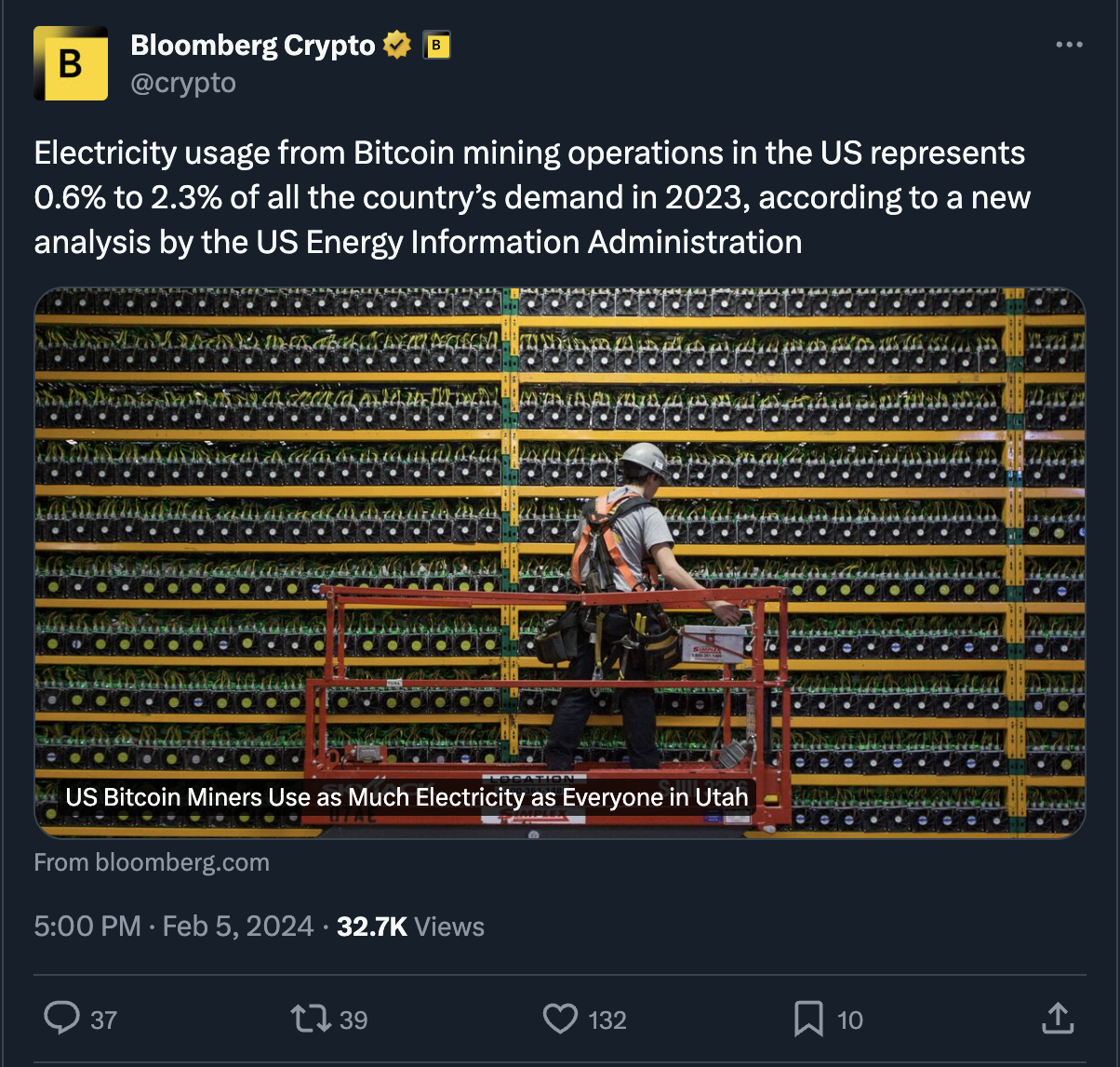
The regulatory environment plays a critical role in shaping the future of crypto mining. Countries such as the United States have adopted a more crypto-friendly stance, aiming to position themselves as global leaders in Bitcoin mining by offering incentives like tax breaks and access to affordable energy resources. This approach is designed to strengthen the domestic crypto industry while ensuring financial stability and security.
Conversely, some countries have taken a more restrictive approach. For example, Russia has banned cryptocurrency mining in 10 regions until March 2031, citing concerns about energy shortages and environmental impact. Meanwhile, China has recently intensified its scrutiny of crypto mining operations, particularly in Beijing, where data centers are required to report their energy usage related to mining activities.
Mining Methods: Solo, Pool, or Cloud?

In 2025, miners have three primary methods to choose from: solo mining, pool mining, and cloud mining. Each approach has distinct advantages and disadvantages, influenced by factors such as hardware investment, technical expertise, and desired income stability.
- Solo Mining: Offers complete control over operations and no fees, but requires significant computational power and energy.
- Pool Mining: Combines resources with other miners to increase the chances of earning rewards, though it involves sharing profits and paying pool fees.
- Cloud Mining: Allows users to rent mining power from service providers, eliminating the need for personal hardware but posing risks of scams and lower profit margins.
For most miners, pool mining strikes the best balance between effort, risk, and reward. However, the best approach ultimately depends on personal circumstances, making thorough research essential before committing to any method.
The Future of Wealth Creation
As crypto mining continues to evolve, it is clear that it is not just a means of generating digital assets but also a driver of technological innovation and economic growth. The integration of advanced hardware, sustainable practices, and regulatory frameworks is paving the way for a more inclusive and resilient financial ecosystem.
In conclusion, crypto mining is revolutionizing future wealth by creating new opportunities for individuals and businesses to participate in the digital economy. With ongoing advancements in technology and a growing understanding of its economic and environmental impacts, the future of crypto mining looks promising. As the industry matures, it will continue to shape the way we think about wealth, technology, and the global economy.

Post a Comment for "How Crypto Mining is Shaping the Future of Wealth and Technology"
Post a Comment